He Roimata Ua, He Roimata Tangata. Te Pukapuka Manuhiri a Lindauer
As the rain falls, our tears fall in memory for those who have passed. The Lindauer Visitors’ Book
Te Haumihiata Mason
Formerly Te Kaitiaki Reo o Te Taura Whiri i te Reo Māori
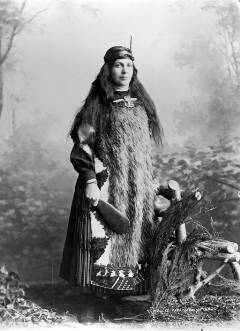
Fig 1 Josiah Martin, Maggie Papakura, c1910, gelatin silver print, Auckland War Memorial Museum Tāmaki Paenga Hira, PH-NEG-B5389, PH-NEG-C18154
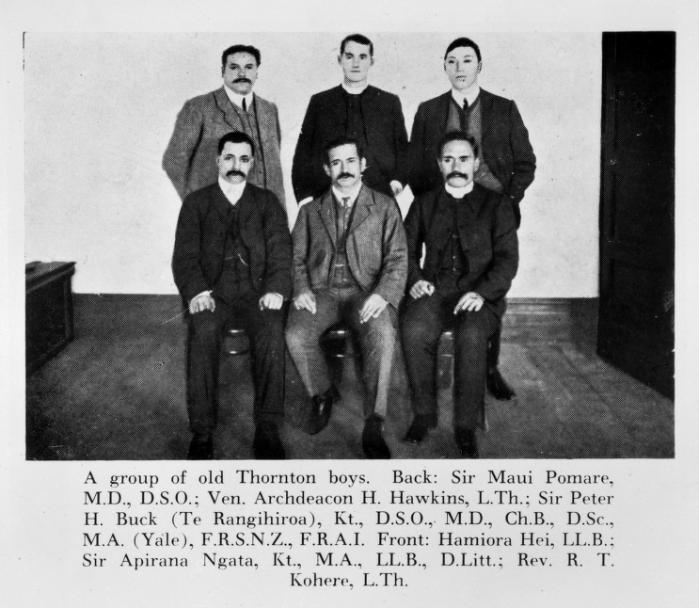
Fig 2 Photographer unidentified, Former students of Te Aute College, known as ‘Old Thornton boys’, not dated. Back row: Sir Maui Pomare, Ven Archdeacon H Hawkins and Sir Peter Buck (Te Rangihiroa). Front row: Hamiora Hei, Sir Apirana Ngata and Rev Reweti Tuhorouta Kohere, black and white original negative, Alexander Turnbull Library, 1/2-070852-F
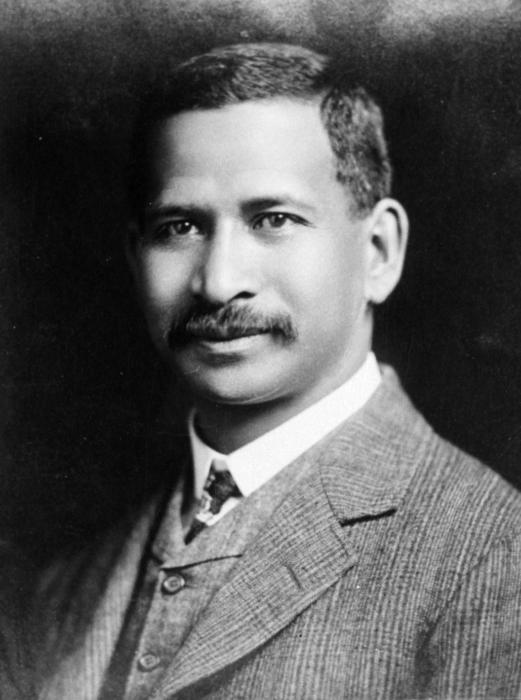
Fig 3 Photographer unidentified, Apirana Turupa Ngata, c1905, black and white copy negative, Alexander Turnbull Library, 35mm-00094-D-F
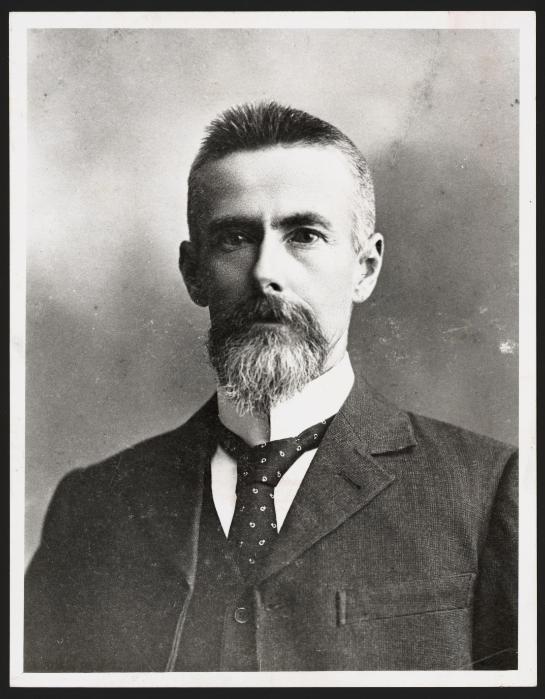
Fig 4 Photographer unidentified, Elsdon Best [Te Peehi], c1895, black and white copy photographic print, Alexander Turnbull Library, PAColl-8066-09-28
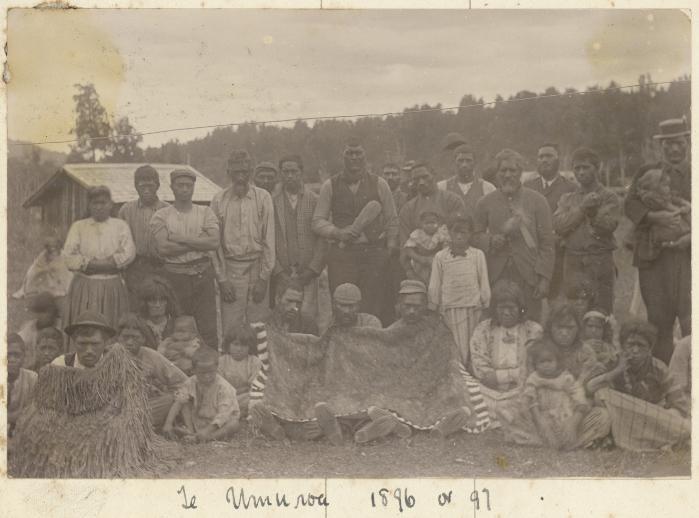
Fig 5 Elsdon Best, Maori group at Te Umuroa, Ruatahuna Valley, 1896–97, albumen print, Alexander Turnbull Library, PAColl-8066-10-11
Haere he whārangi, haere he whārangi, ko te whakamīharo, ko te whakamihi, ko te aroha, ko te tangi ngā karearoto i pupū ake i te hunga i tae ake ki te mātakitaki i te whakakitenga a Lindauer i te tīmatanga o tērā rau tau.
Kāore e kore ka tākirkirihia anō te tau o te manawa o ngā uri o te hunga i āta tuhi i ō rātou ingoa me ō rātou whakaaro ki te pukapuka manuhiri nei. Koia hoki te āhua i pā ki ngā kaituhi me ngā kaiwhakapākehā o ngā kōrero. Kia puta ngā kōrero nei ki te ao, he mihi, he aroha, he tangi kei te haere, me te haere tahi anō o te harikoa, te manamanahau, te hiamo.
Ko te hunga i tae ake i te tīmatanga o te whakakitenga i haere ake i te tī i te tā, i wiwī i wawā, i te motu nui tonu. Haere he tau, haere he tau, e haere tonu ana te iwi Māori ki te mihi, ki te tangi ki ō rātou mātua whaea, ka mutu i haere ā-tangata kotahi, ā-whānau hoki, ā-kura hoki. Ko te kōrero mō ētahi, kotahi te hokinga, ka rua te hokinga. Ko ētahi o ngā tāngata i tae ake he tāngata rongonui, he ingoa e poipoia tonuhia ana e te ngutu tāngata.
Ko Makareti Papakura (Fig. 1) i tae atu i te tau 1902, e 29 ōna tau. Ko Māui Pōmare (Fig. 2) i tae atu i te tau 1901, e 26 ōna tau. I tae atu a Tā Apirana Ngata (Fig. 3) i te tau 1901, e 27 ana tau. I tae atu a Te Peehi (Fig. 4) i te tau 1903, e 47 ōna tau, ka mutu i haere ake i Ruatāhuna (Fig. 5). Ka haere ngā tau ā, ka taetae atu ko te ao. He Wīwī, he Ingarihi, he Tiamana, he aha, he aha, tae atu hoki ki ētahi o ō tātou uri o Te Moana-nui-a-Kiwa. Me kōrero te pukapuka nei, kua noho hei taonga mā tātou o ēnei rā, hei hoa hoki mō ngā āhua o te hunga i whakaahuatia e te tohunga nei, e Lindauer.
Heoi anō, kia tīpokapokangia he kōrero i ngā whārangi o te pukapuka hei whakatauira ake i ngā kupu whakamihi kua takoto mai ki ōna whārangi. Kua kite tātou i te tohunga o kui mā, o koro mā ki te tiki atu i te kupu māmā hei whakaputa i te whakaaro Māori. Nā Mere Makarena Kereama rātou ko Hemi Montrose Kereama, ko Heni Aporo Paora ngā kōrero e whai ake nei, i tae atu rātou ki te whakakitenga i te marama o Hepetema, 1901.
'Ka nui tō mātou aroha, tangi hoki i tō mātou kitenga i ō mātou tūpuna tuatahi kua ngaro atu i tēnei ao. Rite tonu ēnei āhua ki te tāima e ora ana rātou. Ka nui tō mātou koa ki te kitenga i ēnei āhua o ō mātou tūpuna Kīngi Tāwhiao, Hori Ngākapa, heoi he pao. Aroha e ngā tūpuna i te pō, tēnā koutou e mihia nei e taku wairua ēii.'
Anei ngā kōrero a Hone Tuhata o Taranaki i tuhia e ia ki te pukapuka i te 30 o Hūrae 1901, me te rongo tonu o te ngākau i te whakamīharo o te tangata nei ki tāna i kite ai.
'Nō Te Atiawa me Ngāti Toa ahau. Ko ētahi o ngā kaumātua nei i kite ā-kanohi au. Ko te nuinga ko te ingoa kau e rongo ana. Maringanui nā runga i te whakaaro nui a tō tātou hoa Pākehā, i kite ā-wairua ai ētahi o tātou i ngā tōtara nunui o Aotearoa o ērā rangi, tae mai ki ēnei. Ka nui taku whakapai ki ngā whakaahua nei, ki te mahi hoki a tō tātou hoa Pākehā. E hoa, kia ora tonu koe'.
Ka haere ko ngā kōrero a Tiemi Make, arā a James Mackay o Paeroa, i tuhia i te 23 o ngā rā o Noema, 1901.
'Ka nui tōku whakamoemiti me tōku whakaaro aroha ki tēnei whakakitenga o ngā āhua o ngā tūpuna me ngā kaumātua Māori kua ngaro ki te pō. Mehemea ko te āhua kua hoki mai rātou ki te ao nei ki te titiro ki a tātou ki ngā mōrehu e ora nei. Hei konā rā e koro mā e kui mā. Tēnei mātou te haere atu ki te whai i taua huarahi i ēnei rā e haere ake nei. Hei konā rā e koro mā, hei konā rā e kui mā. Tēnei mātou te whanatu ki a koutou, e kore koutou e hoki mai ki a mātou. Heoi ko te ata o te tāpara kau atu e. Ko te āhua kau tēnei kua ngaro ngā tinana. Auē, auē te mamae i a au ē.'
Ka whakatakotoria e te tangata nei ana whakaaro ki te reo Māori, kātahi ka tahuri ki te whakapākehā i ana kupu. E hoa mā, koinei tētahi tauira o te tangata matatau ki te reo Māori, matatau anō ki te reo Pākehā. Kei whea mai tana whakapākehātanga. Kimihia ka pānui. Ka whakahīhī ana uri ki a ia.
I te 24 o Mei 1902 ka tae atu a Tūpōtahi Tūkōrehu o Kihikihi rāua ko Teāroa o Hangatiki, me taku kite iho, ata koia! Kua mātau kē rātou ki te tō roa a te tohutō i te oropuare. E rua rawa ngā whakapōtaetanga a Teāroa i tōna ingoa ki te tohutō. Kei konei anō hoki te kōrero e kī ana nā Kīngi Pōtatau a Teāroa i tapa i tōna whānautanga mai. He kōrero tēnei e hopu ana i tētahi kimonga karu i roto i te takanga o te wā, ka mutu nō ngā uri o Teāroa rāua ko Tūpōtahi te māringanui i āta tuhia tēnei whakaaro i te tau 1902 ki te pukapuka manuhiri nei.
Nā, kia paku kōrero au mō tētahi āhua o mua kua kore pea e kitea, e rangona i ēnei rā. Tērā tētahi wahine i tae ake ki te whakakitenga i te tau 1916. He aha rā, ka tuhi te wahine nei i tana ruri. Anei ana kupu ake.
Māhau rānei ahau, māhau rānei koe
Roto i ō komo, te kupu mai ki au
Kau e rā e huri, tahuri mai ki au
Māku rānei ahau, māhau rānei koe
He aha rā te tikanga o ana kupu, ko wai hoki ka mōhio mā wai ana kupu, heoi kāore e kore he kupu nā te wahine nei ki tētahi e mōhio ana ia. I taua whārangi anō rā ka haere ko te pao a tētahi atu, e pēnei ana nā.
Tara nui, tara roa
tara kōritorito
i te aitanga rau.
Ka noho ngā kupu nei hei kata mā tētahi atu i tae ake ki te whakakitenga i muri iho, ka mutu te āhua nei i mōhio ia ki te kaituhi o te pao. Anei tāna i tuhi ai.
'Mehemea koe i konei, mamae tō puta i a au. Heoi, ka nui te pai o tō pao ki a au. Auahi ana. Mamae ana te uma. Heoi anō, nā tō hoa.'
Kua noho ā rātou tuhinga hei pānui mā tātou o ēnei rā, me te menemene anō o ngā pāpāringa i te pānuitanga. Kāore i whakapākehātia ngā kōrero nei i te mea i whakaaro iho te kaiwhakamāori kia waiho noa ki ā rātou kupu, ā, ma te hinengaro Māori, mā te hinengaro kakama tonu e kimi mai te aronga, te taunga o ngā kupu. Heoi anō, e whakaatu ana ngā kōrero nei i te tikanga Māori o mua, arā, kāore i hunaia te whakaaro, ka mahuki ake, ka toko ake, ka whakapuakina, koia tērā. He mahi tēnei nā ō tātou tūpuna o mua, i puta ai te waiata aroha, te kaioraora, te pātere, te aha. Kāore he tirotiro mō te whakahuahua i ngā wāhi tapu o te tāne, o te wahine. Ka mutu i tērā wā ko te whiu atu, whiu mai te karawhiu. I ēnei rā kia tūpato tonu te tangata, ko te ture kē hoki te hoa o te tangata mōna te whiunga kōrero ināianei. Heoi, he āhuatanga kua tohua e te wā. Kāti i konei ngā kōrero mō ngā pao nei.
Kia pūruatia te kōrero mō te noho taonga o te pukapuka manuhiri nei ki te iwi Māori nui tonu, otirā ki te ao whānui. E kore e mutu te mihi o te ngākau ki a rātou kua whetūrangitia me ngā kōrero i tuhia e rātou hei pānui, hei rangahau, mā tātou, otirā mā ngā tamariki mokopuna kāore anō i whānau mai ki te ao. E koro mā, e kui mā kua whakangaro ki te pūtahi o Rehua, e tangi kau ana te ngākau i te mea e kore koutou e hoki mai ki a mātou ki te ārahi i te iwi, e taea ai te kī ake ko mātou ēnei e haere nei i muri o te tira parāoa.
The pages of the Lindauer Visitors’ Book are filled with admiration, tributes and many expressions of the love and emotion that welled up in those who came to see the Lindauer exhibition at the beginning of last century.
The descendants of those who carefully wrote their names and thoughts will no doubt be moved by this Visitors’ Book. The writers and translators of these comments felt the same. As these words are revealed to the public, they are sure to be met with much appreciation, love and sorrow – alongside much joy, elation and excitement.
Those that attended the launch of the exhibition came from all over the country. Over the years, Māori continued to come to acknowledge and to mourn their forebears –individually, as a whānau and as school groups. Some visited two or three times. Some of those that came were well known, and are still spoken of today.
Makareti Papakura (Fig 1) attended (the exhibition) in 1902, she was 29 years old. Māui Pōmare (Fig 2) visited in 1901, he was 26 years old. Sir Apirana Ngata (Fig 3) came in 1901, he was 27 years old. Te Peehi [Elsdon Best] (Fig 4) visited in 1903 from Ruatāhuna (Fig 5), he was 47. Over the years, international visitors also visited. They included French, Englishmen and Germans to name a few – as well as some of our relations from the Pacific.
This book should be acknowledged as the precious treasure it has become for us today, and whose contents complements the images of those who were so expertly painted by the great artist Lindauer.
Extracts from the pages of the visitors’ book have been selected as examples of the kinds of tributes within it. Here, we can see the skill of our elders who used simple words to express specifically Māori ideas. The following comments are by Mere Makarena Kereama, Hemi Montrose Kereama and Heni Aporo Paora who visited the exhibition in September 1901.
We were overcome with love and sorrow when we first saw our ancestor who has now passed. These images are so lifelike. We were overjoyed to see these images of our ancestors King Tāwhiao and Hori Ngākapa – I offer this short ode. ‘Heartfelt regards to you the ancestors of the night, I acknowedge all of you who have moved my spirit.’
Here is a comment written in the book on 30 July 1901 by Hone Tuhata from Taranaki. His amazement at what he saw is clearly evident.
I am from Te Atiawa and Ngāti Toa. I have met some of the elders here. Most of their names are no longer heard. Through the forethought of our Pākehā friend, I can feel the spiritual presence of some of yesterday’s great leaders of New Zealand, today. I greatly approve of these pictures and the work of our Pākehā friend. Friend, sincere thanks to you.
Here we have a comment by Tiemi Make, also known as James Mackay, of Paeroa, written on 23 November 1901.
I am very grateful and moved to see this exhibition of images of ancestors and elders who have passed. It is as if they have returned to this world to see us, the ones who remain living. 'Farewell our forefathers and foremothers. We endeavour to continue to follow that pathway in the days to come. Farewell our forefathers and foremothers. We continue on, towards you all, as you will never return to us. You are but shadows of our desire. All that remains is the image, the flesh is no longer. Alas, alas, my pain is intense’.
Make wrote his thoughts in the Māori language and then translated them into English. Friends, this is a clear example of an expert in both the Māori and English languages. His English translation is exemplary. Find it and read it. His descendants can be proud of his work.
On 24 May 1902, Tūpōtahi Tūkōrehu of Kihikihi and Teāroa of Hangatiki came to see the exhibition and what I read was amazing! They were already knowledgeable about the use of the macrons on vowels. Teāroa used a macron both times he wrote his name. It is also mentioned here that King Pōtatau named Teāroa at his birth.
This entry captures a blink in time, but it is the descendants of Teāroa and Tūpōtahi who are fortunate that these thoughts from 1902 were carefully written in the visitors’ book.
Now, let me explain a feature of this book, one from the past that would perhaps not be seen or heard today. A woman visited the exhibition in 1916, and wrote a short poem. Here are her words.
Māhau rānei ahau, māhau rānei koe
Roto i ō komo, te kupu mai ki au
Kau e rā e huri, tahuri mai ki au
Māku rānei ahau, māhau rānei koe
He aha rā te tikanga o ana kupu, ko wai hoki ka mōhio mā wai ana kupu, heoi kāore e kore he kupu nā te wahine nei ki tētahi e mōhio ana ia. I taua whārangi anō rā ka haere ko te pao a tētahi atu, e pēnei ana nā.
What do her words mean? And who knows who her words are intended for. There is no doubt that this woman’s comment is intended for someone that she knew.
On that same page, we see another verse:
Tara nui, tara roa
tara kōritorito
i te aitanga rau.
These words elicited the mirth of another person who came to the exhibition later on. Indeed it seems like they knew the composer of these lines. This is what they wrote.
'Mehemea koe i konei, mamae tō puta i a au. Heoi, ka nui te pai o tō pao ki a au. Auahi ana. Mamae ana te uma. Heoi anō, nā tō hoa.'
Their writings remain for us to read today, and one can’t help but smile as we do. This commentary was not translated into English as the translator thought it better to leave their words undisturbed, to leave them to the interpretation of those who understand the Māori mind, and who enjoy seeking the nuance and meaning of the words.
Furthermore, these comments reflect Māori values of earlier times – thoughts were not concealed, and whatever arose was expressed openly. This is what our ancestors did, giving rise to the songs of love, of derision, in the chants and our many kinds of compositions. There were no scandalous glances when the private parts of men and women were mentioned. Furthermore, these kinds of exchanges were reciprocal.
Today, one must tread carefully, as those who feel they are vilified now seek legal redress. That, however, is a sign of the times.
And so, this concludes the commentary on these verses.
As has been expressed, this visitors’ book is a precious taonga for iwi Māori and for the world. Our hearts continue to acknowledge all those who have passed, and the words they have written to be read and researched by us, and by children and grandchildren yet to come.
Oh elders of the past, go to the highest heavens, our hearts are heavy with grief because you will never return to us to guide the people. And so we say, we are the ones who follow on behind the greats of the past.