Lindauer: Gallery of Memories
Ngahuia Te Awekotuku, Professor, Centre for Māori and Pacific Development Research, University of Waikato Te Whare Wananga o Waikato.
Ki a Ngāi Māori, he taonga tuku iho ngā mahi peita a Gottfried Lindauer rātou ko ōna hoa mahi toi pērā i a Charles F Goldie me Thomas ‘Darby’ Ryan. Kei te rangona te wairua o ngā tūpuna; tō rātou kaha, tō rātou māia, tō rātou mana rangatira. He tohu whakamahara anō ia whakaahua o te wā me te wāhi i a rātou me ngā tini whanaungatanga kei waenganui i a rātou. He pātaka kōrero tēnā me tēnā mō ngā hononga tāngata me ngā maharatanga o taua wā.
Ko tētahi o ngā āhuatanga motuhake o te mahi a Lindauer e aronui mai ai te tangata, he mea tono kē te huhua o ngā whakaahua o te Māori e rātou anō. Hāunga anō ētahi, i ara mai te nuinga o āna whakaahua kiritangata i te whakaaro nui me te pūkoro hōhonu o Henry Partridge. I kitea e ngā rangatira o te wā ngā pūkenga o Lindauer, ā, ka whakarērea ngā mahi tango whakaahua, ka whai kē rātou i tētahi ara rangatira e pūmau ai ō rātou āhua. Nā rātou anō te tono kia whakaahuangia rātou.
Kei ētahi o ngā whānau me ngā hapū ngā whakaahua taketake a Lindauer e pupuritia ana, heoi, e kore ngā ingoa o aua whānau e whākina atu i roto i tēnei tuhinga. Kei te whakaatuhia ētahi ki roto i ngā whare whakairo, arā, kei ngā pakitara o te whare e iri ana, e whakamihia ana e te iwi. E whā ngā whakaahua tino rangatira kei tētahi whare, he whakaahua kānawehi nunui tētahi mō tētahi o ngā rangatira nui o te iwi. Hei tā ngā kaumātua o te rohe rā, e hia kē ngā tau e noho ana tēnei whakaahua ki tētahi wharau, kātahi ka kitea anōtia. E rua anō ngā pikitia kua roa e rokirokihia ana ki taua whare tonu, kātahi ka kitea e ngā kaiwhakatikatika whare. Kei ngā pae o ngā takuahi ētahi e iri ana, kei te tomokanga rānei o te whare o te uri. Ahakoa he whakaahua taketake ēnei, ka kore tēnā take e whākina ki te marea.
For Māori, the paintings of Gottfried Lindauer and his contemporaries Charles F Goldie and Thomas ‘Darby’ Ryan are taonga tuku iho, treasures of an earlier time. They resonate with the mana of those ancestors: their strength, their resilience and their nobility. Each one is a poignant reminder of another time and place, and another series of dynamic relationships. Each one is the record of a particular series of encounters and memories.
What makes Lindauer different, and in many ways more intriguing, is that many of the Māori people whom he painted were commissioning him. Many of his portraits occurred through the visionary patronage of Henry Partridge but not all of them. Aristocratic Māori recognised Lindauer’s considerable gifts, choosing to move beyond the photographic process of the day and into a medium much more status conscious and much more enduring. They approached him.
Various Māori families and hapū do possess original Lindauer portraits but, for obvious reasons, will not be identified in this essay. Some are displayed in a whare whakairo context, safely installed and constantly admired; one such house has four superb examples, including a massive canvas of a well-known iwi leader. Local elders recall how this painting had sat in someone’s shed for years until rediscovery. Two other pieces on the same marae were put away for decades and found by a cleaning crew. Others continue to occupy pride of place above a mantelpiece or in a welcoming position before the descendant’s front door. That they are originals is rarely disclosed.
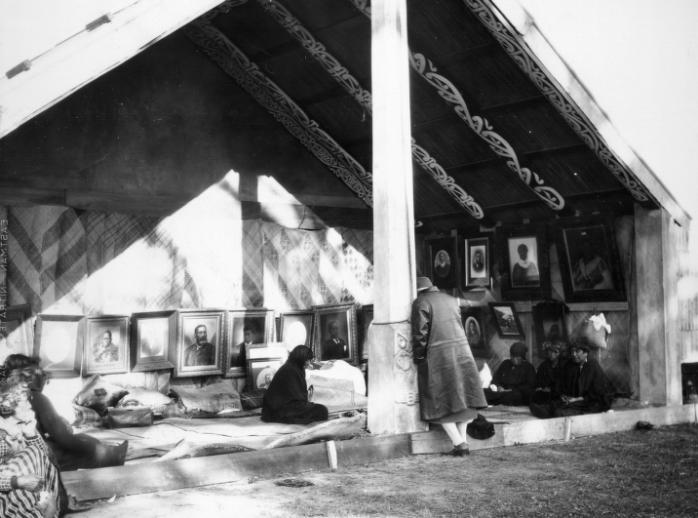
He taha wairua anō ō ēnei whakaahua – he tangata manaaki, he tangata whai mana, whai kaha anō hoki ēnei āhua e mau ana te wairua o kui mā, o koro mā. Ka whakaatuhia ngā whakaahua nui a Lindauer rāua ko Goldie ki te taha o ngā tūpāpaku ki roto i te huhua o ngā whakaahua o ngā tangihanga i te tīmatanga o te rautau 20 (Āhua 1). Ka mihia te tūpāpaku e te kaikōrero, kātahi ka tahuri atu ki te pikitia ki te whakahoki mai i te wairua o taua tangata. Tae noa ki ēnei rā, ka noho tonu te Māori ki te kōrero ki ēnei whakaahua – kia whai māramatanga tātou i te iwi nui ki te pō. I te ao hou nei, e iri ana ngā mātātuhi o ngā whakaahua taketake a Lindauer ki ngā pakitara o ngā kāinga o te Māori, e whakamihia ana hoki rātou ki ngā tangihanga. He tohu whakamahara ki te tūturutanga o te ora me ngā rangatira kua ngaro, e mau tonu ana ki ngā maharatanga o te iwi o nāianei. He kāwai whakapapa, he mana tangata.
These images are also viewed as living beings – they are comforting, they imbue power and confidence, they also oversee ceremonial events. Many photographs of early 20th-century tangihanga feature significant Lindauer and Goldie portraits close by the casket (Fig 1). As the deceased is addressed by an orator, often the kōrero turns to the portrait, reviving and remembering the portrayed. Even today, many Māori admit to quiet conversations with such images, seeking the advice of loved ones long since gone. In modern times, commercial prints of Lindauer’s originals also line the walls of Māori homes and they too are elevated as important attendants at tangihanga ritual. They are effective memento mori, remembrances of the chiefly dead, and yet also recent enough to be in the memories of many living today. As part of the whakapapa, the lines of ancestry, they present a focus of identity and pride.
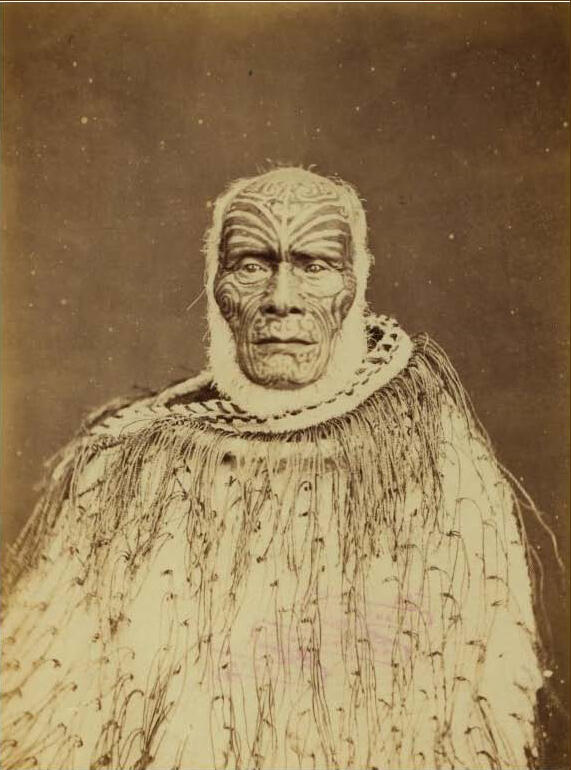
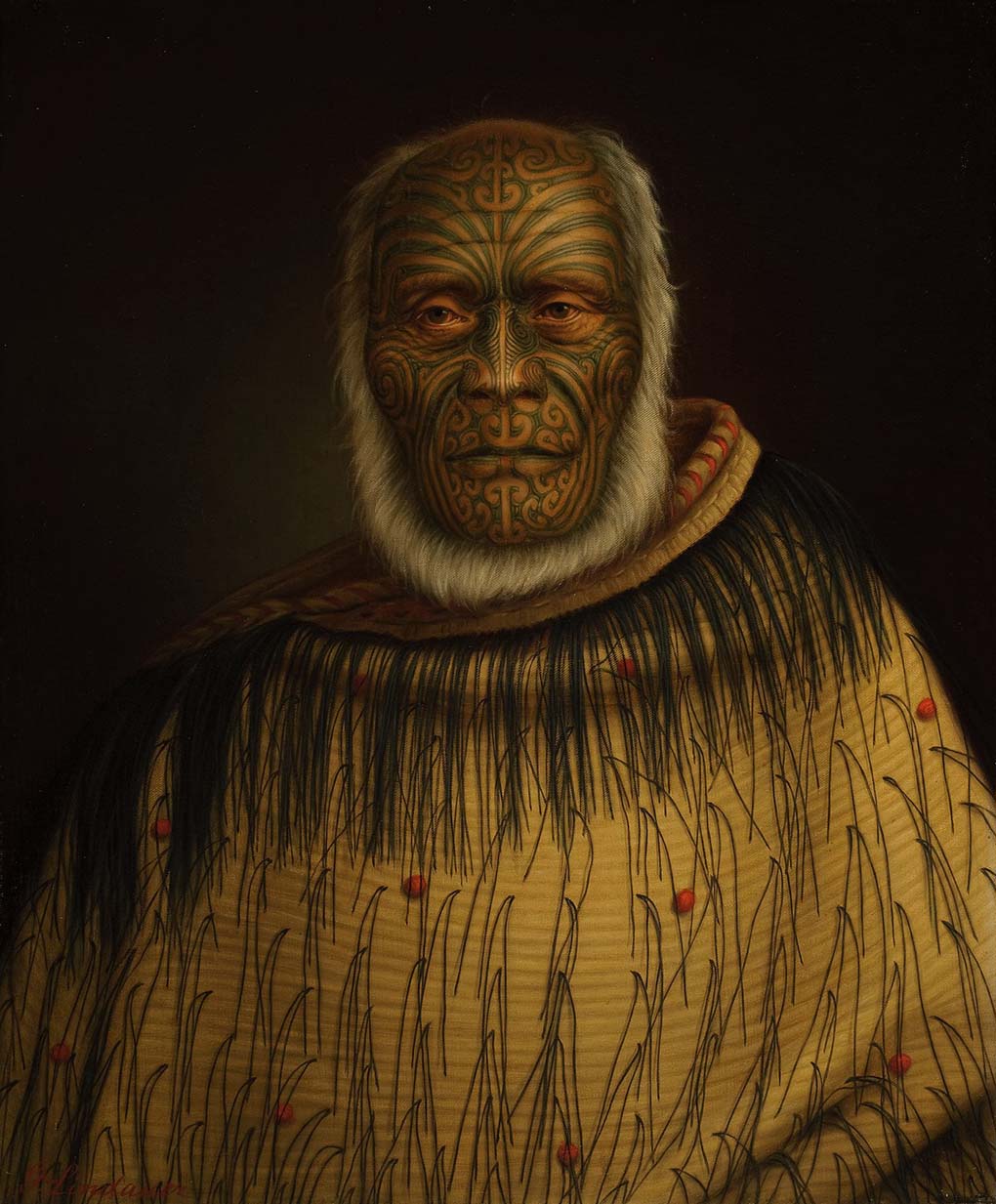
Ki a Ngāi Māori o te rautau tuatoru nei, he mea nui anō ngā tānga moko kua whakairohia ki ngā whakaahua a Lindauer. He mea āta tā ngā rangi paruhi o te tāne me ngā moko kauae o te wahine (Āhua 2–3). Ka aronuitia ēnei āhua e ngā uri i te tānga o ā rātou ake moko kanohi; nā, ka tāia te kiri ki ngā tohu o ngā tūpuna pērā i te ngutu pūrua me te tīwhanawhana. He puna mātauranga a Lindauer nō te ao tawhito, ā, kei te rangahaua āna pikitia e ngā wānanga tāmoko, e ngā kaitā moko me ngā pakihi tāmoko hei whāngai i ā rātou mahi i te wā tonu nei.
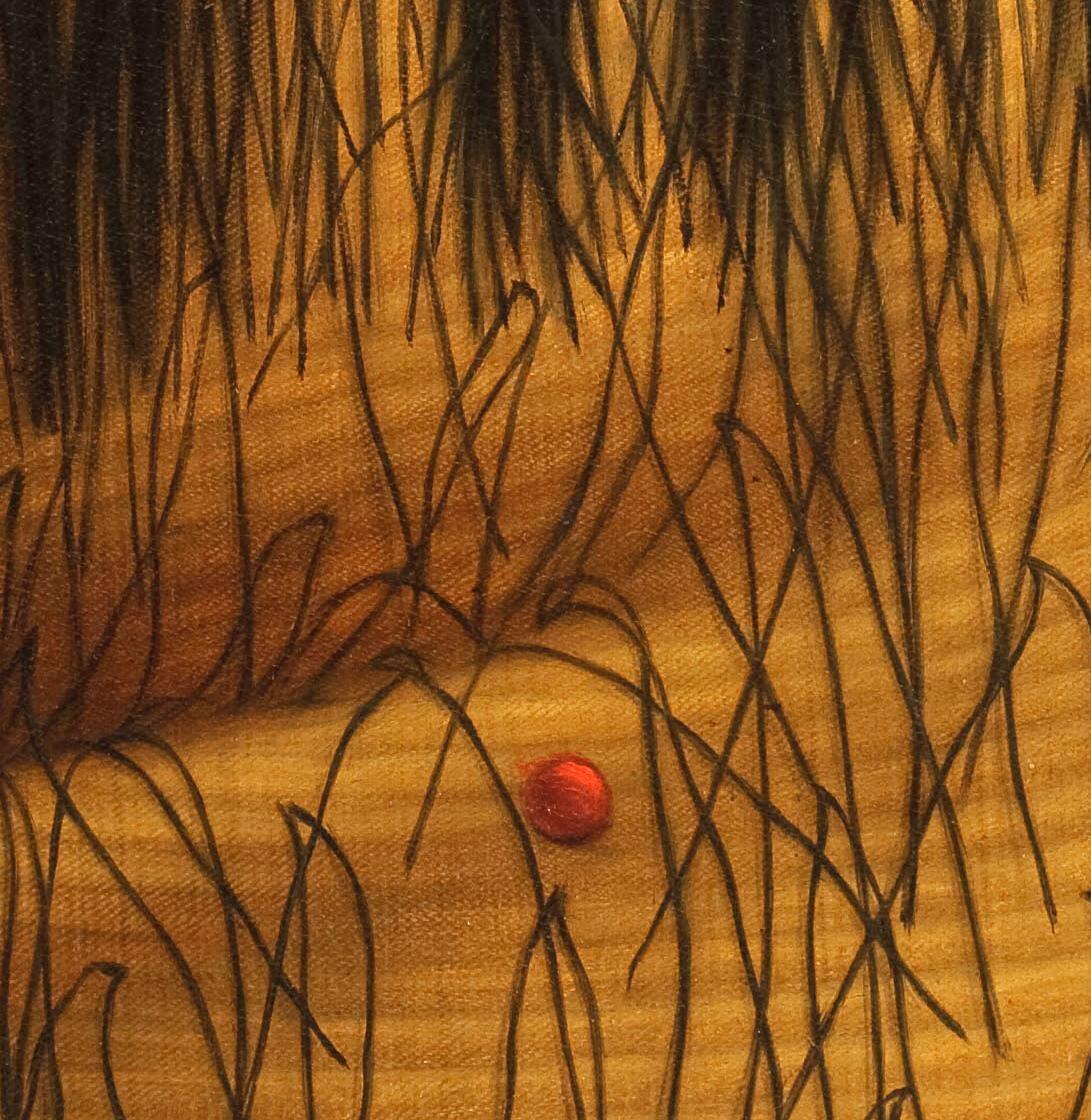
Ko tētahi atu tohu nui o ngā mahi a Lindauer, ko tōna karu hōmiromiro mō te āhua o ngā kākahu: ko te takoto o te kaitaka, o te korowai me te kākahu, ko ngā momo kākahu (Āhua 4), ko te takoto o te piupiu o te pihepihe rānei, hei tāpeka; ko te whakamīharo hoki rānei o te noho o te manu huia tonu ki runga i te pokohiwi o te koroua, kaua ko te parehuia anake (Āhua 5).
In the Māori world of the third millennium, this focus is most refined in Lindauer’s graphic representation of moko. The mataora of men and the moko kauae of women are precisely delineated (Figs 2–3). Many descendants refer to these images in the designing of their own facial moko; once again, the ancestral emblems of ngutu pūrua, darkened lips, and tīwhana, swooping forehead lines, colour the living skin. Lindauer is a historical source, and today moko wānanga, tā moko practitioners, and commercial moko studios have his images on hand, either as prints on the wall or as reference books for ongoing work.
A further notable feature of Lindauer’s opus is his meticulous attention to dress: the elegant fall of kaitaka, korowai and kākahu, specific classes of cloak (Fig 4); the diagonal construction of piupiu or pihepihe; the wondrous eccentricity of an aged veteran with not one huia feather but an entire bird adorning his shoulder (Fig 5).
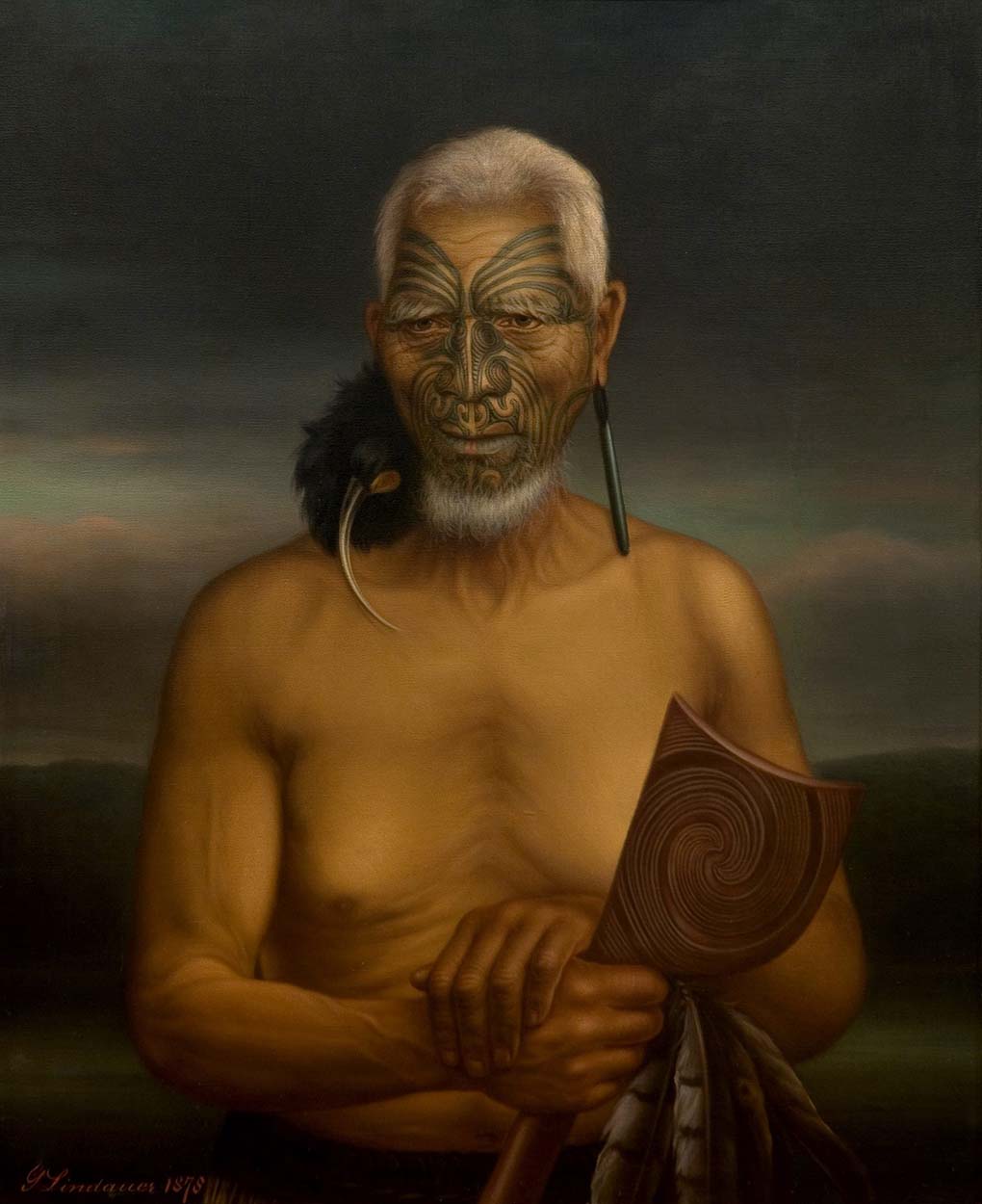
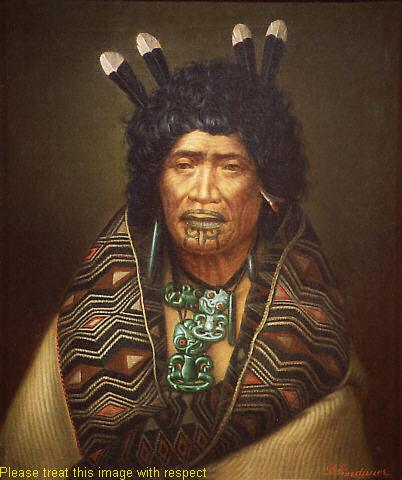
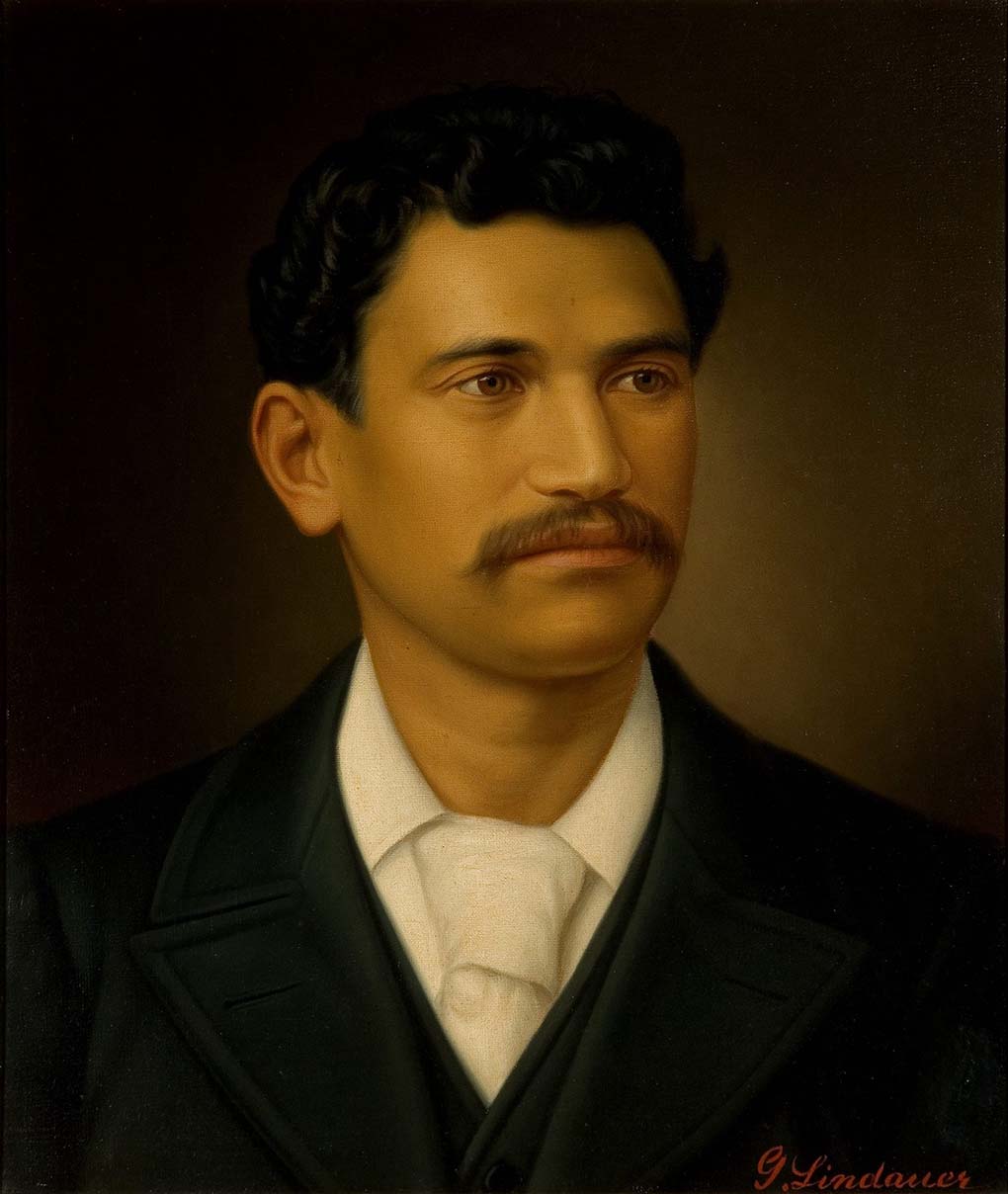
Nā te pai o āna mahi, kei te rongo tātou i ngā āhuatanga o ngā tāngata: ko te whakahīhī, ko te whakameremere me te whai rawa. Hei tauira, kua kākahuria tētahi kuia rangatira ki tētahi kaitaka kaho te tae, kua whakapaipaihia te remu ki te tāniko karakara – e toru āna heitiki, e whā āna parehuia, kotahi te niho mako nunui, ā, e toru ngā hei pounamu (Āhua 6). Kei te mau kākahu Pākehā ētahi – he kākahu whai rawa, ā, he rangatira te noho me te āhua, tāne mai, wahine mai hoki. He mārō te hanga o ētahi, kei te mau ngā kākahu me ngā whakapaipai a te hōia. (Āhua 7).
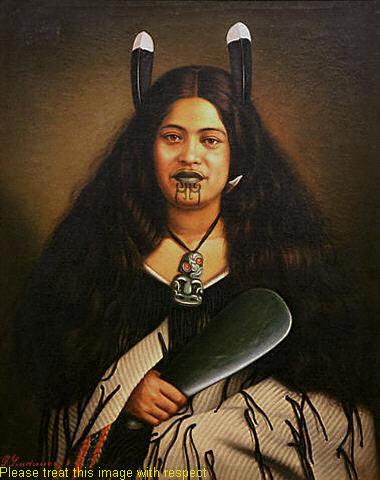
Kei reira hoki ētahi pikitia āhua ruarua nei o ngā wāhine rangatahi e katakata ana, e rongona ai te wairua harakore me te taera o te wahine (Āhua 8). He iwi māia tonu ngā tāngata nō roto i ngā whakaahua o Lindauer, he whakapātaritari, he whakaputa mōhio, he tangata whai mana e ū tonu ana ki tō rātou anō rangatiratanga. He hāngai tō rātou titiro, he kōrero ā rātou; kaua ko te paki aroha, ko te kōrero tawhito, ko ngā maramara kōrero rānei nō uki, e hoki atu ana ki tētahi ao tawhito e rehurehu ana te kitenga atu, ko ngā morehu rānei o tētahi pakanga nui. He rite tahi tō rātou pūmau ki te ao o ngā mokopuna ki tō rātou kaha ki te whakamau i te huhua o ngā rākau o te riri. Ehara i te mea kei te noho ēnei ika a Whiro ki ngā kauhanga riri o mua, kei te noho pāpōuri rānei ngā kuia nei i te mārire o te ahiahi. He toa ēnei, e noho ana i runga i ō rātou ake mana motuhake.
Through this detailed record, we meet the personalities of the sitters: their vanity, glamour and wealth. For example, three heitiki, four huia feathers, a single giant mako tooth and three pounamu pendants adorn one stately dowager wrapped in a creamy kaitaka edged in deep polychrome tāniko (Fig 6). A few prefer European dress – some are expensively attired, confident, formally besuited, fashionably gowned. Others are severe in military uniform and dress brocade (Fig 7).
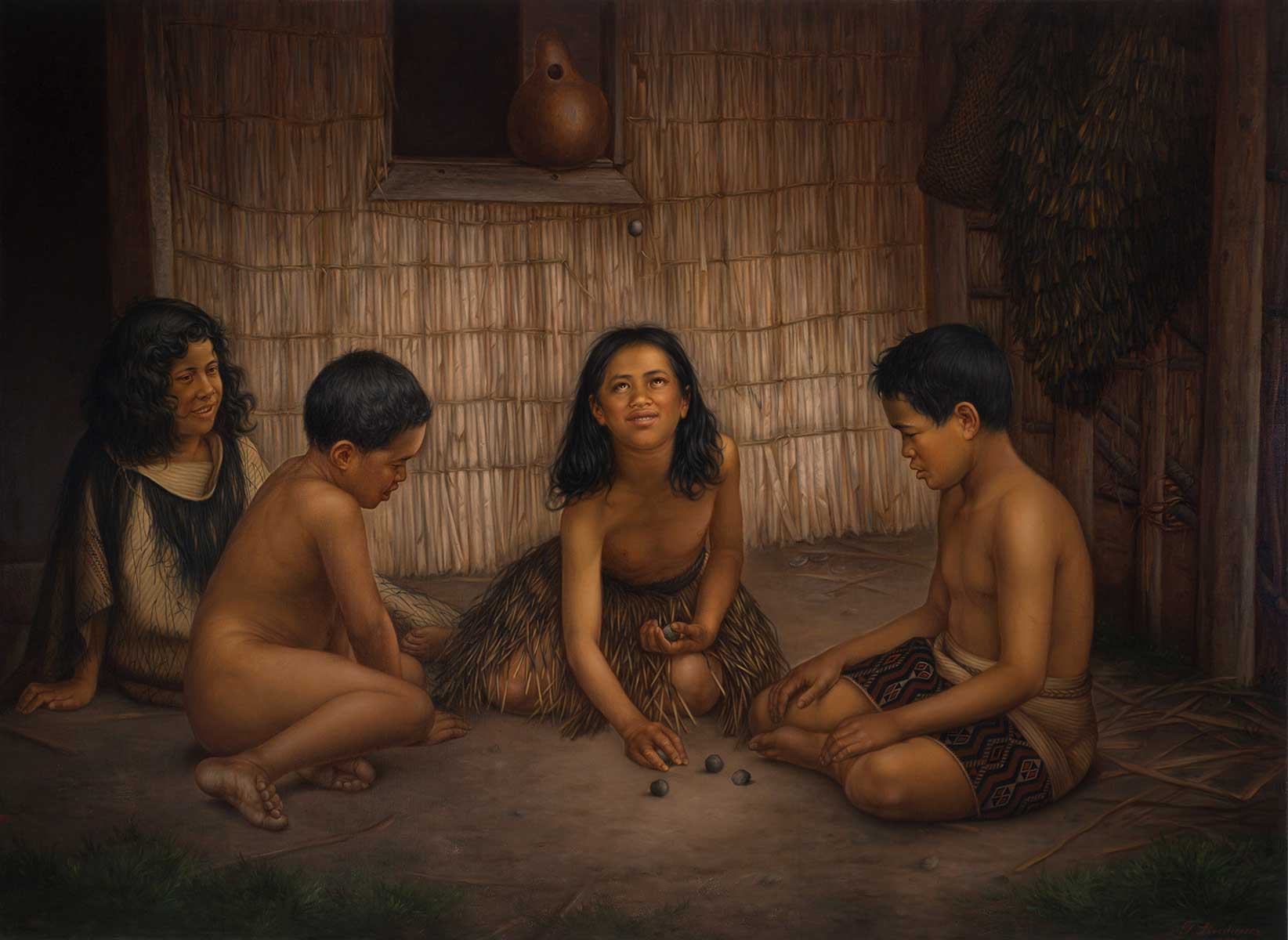
Some rarer examples reveal young Māori women whose laughing, open faces reflect both innocence and sensuality (Fig 8). The people of Lindauer’s pictures are still fierce, defiant, assertive, proud and in control of their own lives. Their gaze is direct and engaging; they are not romantic, archaic and residual, wistfully recalling a fading world or conquered reality. Their grasp of a future for their mokopuna is at least as firm and uncompromising as their grip on their dazzling array of traditional weapons. They are not haunted warriors dreaming of past battles and wise elderly women sadly pondering twilight. They are undefeated, taking on the world around them on their terms.
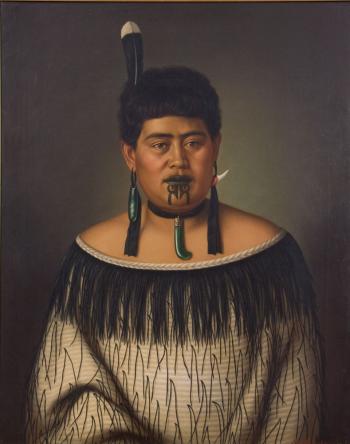
Ki a au, koinei anō te mana o ēnei āhua, kua kitea kētia e rātou ngā tini mata me ngā reo rerekē o ngā uri Māori o ēnei rā. Nō reira, kei te whakanuia, kei te kaingākautia ēnei āhua e tātou katoa, kaua e ngā uri anake – hāunga anō te ātaahua me te āhuareka o te kitenga tuatahi atu o te mokopuna ki tētahi o ngā whakakahua taketake o tō rātou tūpuna, kaua ko te tāruarua noa nō roto i te pukapuka. Kei tētahi atu ringatuhi ngā kupu papai hei whakaahua i tēnei whakaaturanga. He nui ake ēnei pikitia i te roimata me te wehi o mua – ko te mana taonga tēnei, ko ngā kāwai whakapapa, ko te whakapūmautanga o te pai tawhiti.
He ruarua noa ngā whānau Māori e pupuri ana ki ēnei taonga – kei ngā kohinga tūmatanui me ngā kohinga tūmataiti kē te nuinga e pupuritia ana (Āhua 9). Nā konā, ka ara mai ngā kōrero mō ngā hononga tāngata, mō ngā kawenga me te kaha o ngā whare pupuri ki te aro atu ki ngā whakaaro o te Māori, me ngā hiahia o ngā uri.
I tērā 40 tau, i wānangahia ngā kōrero, i whakapau kaha hoki a Te Arikinui Kahurangi Te Atairangikaahu rātou ko Mina McKenzie nō Manawatū, ko Māui Pōmare nō Hongoeka, ko Tā Kīngi Ihaka nō Te Tai Tokerau. I kōrero rātou ki ngā tāngata e mahi ana i ngā kaupapa here, e mahi ana hoki i ngā mahi ki ngā whare pupuri taonga e pā ana ki ngā kohinga whakaahua kiritangata, ki ngā tikanga whakaatu, ki ngā whakahaere me ngā tikanga e pā ana ki te āheitanga atu ki ēnei taonga. Nō te whakatūnga o te whakaaturanga whakamīharo o Te Māori: Te Hokinga Mai ki Tāmaki Makaurau i te tau 1987, ka pupū ake te aroha mō te kohinga whakaahua o Partridge. He rite te whakamīharo ki ngā whakaaturanga ki roto i ngā wharetoi matua: ka huihui te tangata, ka rere ngā roimata ki ō rātou tūpuna (Āhua 10).
For me, this is what makes these images so powerful; they predicted the multifaceted, polyglot, adventurous, unstoppable Māori of today. These images are thus admired and loved by all of us, not just their actual descendants – although it is always an immense privilege, and deeply moving moment, to be there when a mokopuna sees the original portrait, and not a print from a book, for the very first time. This encounter, however, is best described by another writer. It is much more than tears and awe; it is ownership, bloodlines, inspiration.
Actual physical ownership of such taonga is limited to only a few Māori families and communities – most of Lindauer’s works are in private and public collections, here and overseas (Fig 9). This raises the issue of relationships, responsibility and responsiveness of institutions to Māori sensitivity and the expectations of descendants.
Over 40 years ago, conversations took place, engaging the tireless work of the late Te Arikinui, Dame Te Atairangikaahu, as well as Mina McKenzie of Manawatū, Māui Pōmare of Hongoeka and Tā Kīngi Īhaka of Te Tai Tokerau. They were all involved in strategic discussions with the key policy and action people of public institutions, particularly concerning portraiture, their display, management and access protocols. When the hugely successful exhibition Te Maori: Te Hokinga Mai The Return Home was mounted in Auckland in 1987, the Partridge Collection generated an outpouring of emotion as intense and extraordinary as the show in the main galleries: people met and cried with their tūpuna (Fig 10).
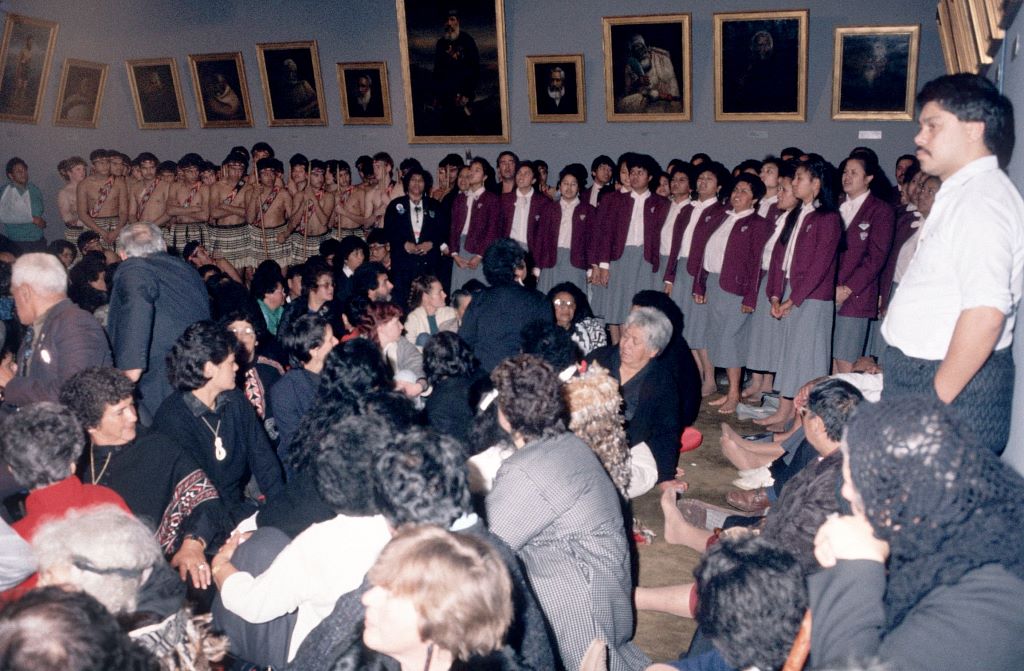
Ka āta wānanga anō ngā kaimahi o te whare taonga me ngā whare toi, ka tirohia anō ā rātou ritenga, ō rātou ngākau tonu, ā, ka whakarongo rātou ki ngā reo o ngā uri. Koia anō te mahi a te nuinga.
Kei te ora tonu te rangatira rongonui o te rautau 19, te ruruhi rānei i roto i te mokopuna – he pou whakaaweawe, he puna aroha, he kanohi ora e whakaata ana i te tūpuna nō ngā reanga e whā, e rima rānei o mua. Ko te whakapapa te taura here tūturu e whakaū ana te mana pupuri ki ēnei taonga? Kei te mārama tēnei āhuatanga ki te Māori. Ko wai ngā whare taonga e mārama ana ki tēnei āhuatanga, e aro mai ana rānei. Kei a wai te mana.
He mahi whai tikanga te āheitanga atu ki ēnei taonga, kia kaua e riro ki te tokoiti noa. Kua whakatuwherahia tētahi kuaha ki ngā whare taonga, e whai mōhioranga, e whai māramatanga, e rongo ai rātou ki ngā kōrero tuku iho i ngā whānau Māori – ko te utu, ko te āheitanga atu, ko te taurewatanga hoki rānei o te taonga i runga anō i ngā whakahaere e pai ana ki ngā rōpū e rua. Tōna tikanga, kei te mōhio ngā kaitiaki o ēnei taonga ki ngā kawenga o ā rātou mahi me te pānga ki ngā uri o ngā tūpuna rā. Otirā, me mōhio hoki rātou ki ngā here me ngā taumahatanga kei runga i te kaitiaki, ā, me whakaae hoki ki ēnei āhuatanga i mua tonu i te āta whakawhiwhinga atu ki a rātou. Kei te haere tonu ngā kōrero. Ko te hunga e mau tonu ana ki ngā kohinga tūmataiti, kāore e āta kitea ana e te Māori me ngā uri, ngā mea e pāpōuri ana – heoi, he kōrero anō tērā mō tētahi atu wā. Ināianei, kei te whakanui tātou i tēnei whakaaturanga – kia kitea, kia tirohia, kia uia, kia whakamihia, kia wānangahia anō hoki ngā kōrero:
Mā wai hei kawe taku kauae ki tawhiti?
Ko wai te hunga ka mahara mai ki au? He pēhea anō hoki aua maharatanga?
Museum and gallery staff on site had to review their practice, reassess their own biases and listen to the descendants’ voices. Most, if not all, of them did.
For the mokopuna of a celebrated 19th-century chief, or a formidable matriarch, their relationship is organic, motivational, affectionate and often visible, the framed face often becoming a mirror image of the living grandchild four or five generations down the line. As proven taura tangata, does this validate or reinforce a claim of ownership, of belonging? In Māori terms, a clear relationship is declared. How many institutions understand this, or attempt to. And on whose terms.
Access should be a right, not a privilege. Institutions experience the authentic opportunity of being offered a mass of information, both interpretive and historical, by the Māori involved; the trade-off is access, and ideally the capacity to borrow, on conditions mutually negotiated. Public stewards of these taonga are ideally aware of their responsibility to the mokopuna of the sitters, who are ideally aware of the boundaries and heaviness of this stewardship, and most accept them, before access is appropriately, and sensitively, arranged. The conversations continue. It is those who remain captured in private collections, shut off from Māori and mokopuna, that might cause concern and grief – but that is another story, for another time. Now, we celebrate this opportunity to share, to view, to question, to marvel; and to consider, as well, the phrase:
Mā wai hei kawe taku kauae ki tawhiti?
Who will carry my face to a faraway place? Who will remember me? And in what way?
Cultural Conservation Advisory Council, Taonga Maori Conference New Zealand (Wellington: Department of Internal Affairs, 1990).
Elizabeth Edwards ed., Anthropology & Photography. (New Haven & London: Yale University Press, 1992).
J.C. Graham ed., Maori Paintings by Gottfried Lindauer : Pictures from the Partridge Collection of Paintings Auckland Art Gallery (Honolulu: East West Center Press, 1965).
Ngahuia Te Awekotuku, Linda W. Nikora, Mohi Rua and R. Rolinda Karapu, Mau Moko The World of Maori Tattoo (Auckland, Penguin Viking, 2007).
Ngahuia Te Awekotuku, 'Ta Moko : Maori Tattoo', in R. Blackley, Goldie (Auckland: Auckland Art Gallery & David Bateman, 1997).