The Artist Gottfried Lindauer
Leonard Bell, Retired Associate Professor, Art History, University of Auckland Te Whare Wananga o Tāmaki Makaurau
Ko Gottfried Lindauer rāua ko Charles Goldie ngā ringapeita rongonui mō ā rāua whakaahua kiritangata o ngā tīpuna Māori, he nui tonu ā rāua whakaahua o te Māori i te paunga o te rautau 19 ki te tīmatangata o te rautau 20.
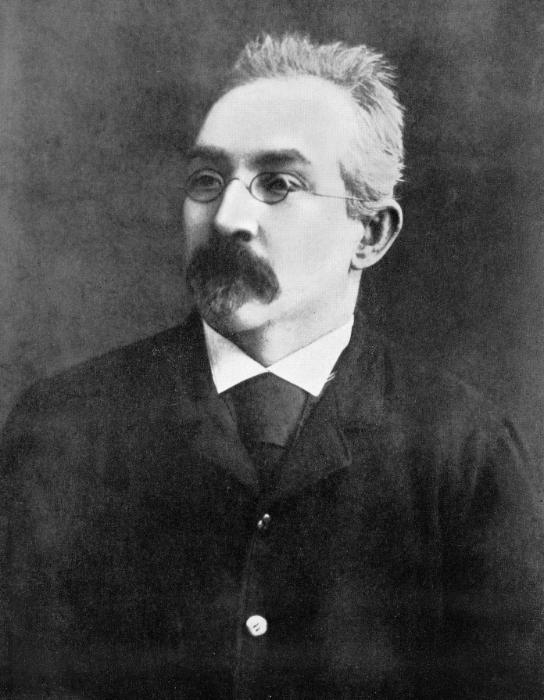
I whānau mai a Lindauer ki Pilsen i Pōhīmia, he wāhi nō te Emepaea o Ateria-Hanekeri i taua wā. Ahakoa nō Tiamana tana ingoa, nō Tiekerowākia ia, ā, ko Bohumír tana ingoa tuatahi (Āhua 1). I āta whakangungua ia e ngā mātanga nō te Academy of Fine Arts i Wiena, ā, ka heke ia ki Aotearoa i te tau 1874. He nui anō ngā whakapae i whakahuahuatia mō tana hūnukutanga mai: kia kore ai ia e karangahia e te ope taua tētahi, ā ko te heke haere o te nui o ngā tono mō ngā mahi peita nā te aranga mai o te kāmera anō tētahi. I peitahia ngā whakaahua kiritangata tuatahi a Lindauer ki Whakatū.
Heoi, he nui rawa atu ngā hua i puta i tana hūnuku atu ki Tāmaki Makaurau i te mutunga o te tau 1875. I reira, ka tūtaki ia ki tētahi kaipakihi, arā, ko Henry Partridge. I te roanga o te 30 tau whai muri atu, nānā te huhua o ngā whakaahua o ngā rangatira Māori (e ora ana, e mate ana hoki) me ngā tānga nunui o te noho me te ao o te Māori i tono i a Lindauer.
Ko te whāinga nui o te kaupapa, he waihanga i tētahi hītori ā-pikitia o te Māori, i te wā e pōhēhētia ana e te nuinga e tāmate haere ana tātou, arā, ko ngā tāngata Māori me ā tātou tikanga hoki. I mātoro haere a Lindauer i te nuku o whenua ki Aotearoa. Hāunga anō a Whakatū me Tāmaki Makaurau, he huhua ōna kāinga, pērā i Ōtautahi me Ahuriri. He hoamahi toi anō a Samuel Carnell ki Ahuriri, he ringawhakaahua rongonui anō mō āna pikitia o te Māori, ā, ka tau te noho o Lindauer ki Woodville i te tau 1890.
He mārō tonu ngā taura here a Lindauer ki Ūropi, inā rā ki Tiekerowākia. Ka toro atu ia ki Piritana i te tau 1886, i reira te whakaaturanga nunui o te Colonial and Indian Exhibition ki Rānana. Tekau mā rua te nui o āna whakaahua tīpuna i whakaatuhia ki reira. Ko Walter Buller te kaitono o te Whare o Aotearoa, he roia hoki ia ki te Kōti Whenua Māori e mahi ana mō ngā Māori me ngā Pākehā. He tangata nui ia i te ao toi. I noho a Lindauer rātou ko tōna whānau ki Ūropi, ki Tiamani i te nuinga o te tau 1901 me 1902, ā, i te tau 1911 ki te tau 1914 hoki. Hoki atu ai ia ki Pōhīmia, nā whai anō i whakatūria ētahi o āna whakaahua tīpuna ki ngā kohinga tūmatanui me ngā kohinga tūmataiti kei reira.
He huhua tonu ngā tīpuna Māori i tāia e Lindauer, he rerekē anō tana tā i a rātou. Hei tauira, kei te whakaatuhia te katoa o te tinana o ētahi, te haurua o ētahi atu, ko te poho o ētahi anō, ā, kei te noho hāngai ētahi, kei te noho tītaha rānei, kei mua kē rānei te kanohi, pērā i āna tini whakaahua mō Heeni Hirini rāua ko tāna pēpi. Hāunga anō āna whakaahua mō ngā Māori rongonui, ka whakaputaina hoki ngā whakaahua o ngā Māori kāore i āta mōhiotia. Kei te mau te nuinga i ngā kākahu Pākehā, koia anō ō rātou āhua i aua rā. Hāunga anō ngā whakaahua ruarua nei, he mea tono te nuinga e ngā tīpuna tonu, e ō rātou whānau rānei. Heoi, kei te mau ngā tīpuna Māori i ngā kākahu Māori kē i roto i te nuinga – kaua te katoa – o ngā whakaahua i tonoa e te Pākehā. Hei tā te tirohanga o te Pākehā, he tohu aua kākahu o te 'āhua motuhake o iwi kē', arā, he tauhou te nuinga o rātou ki te āhua o te Māori.
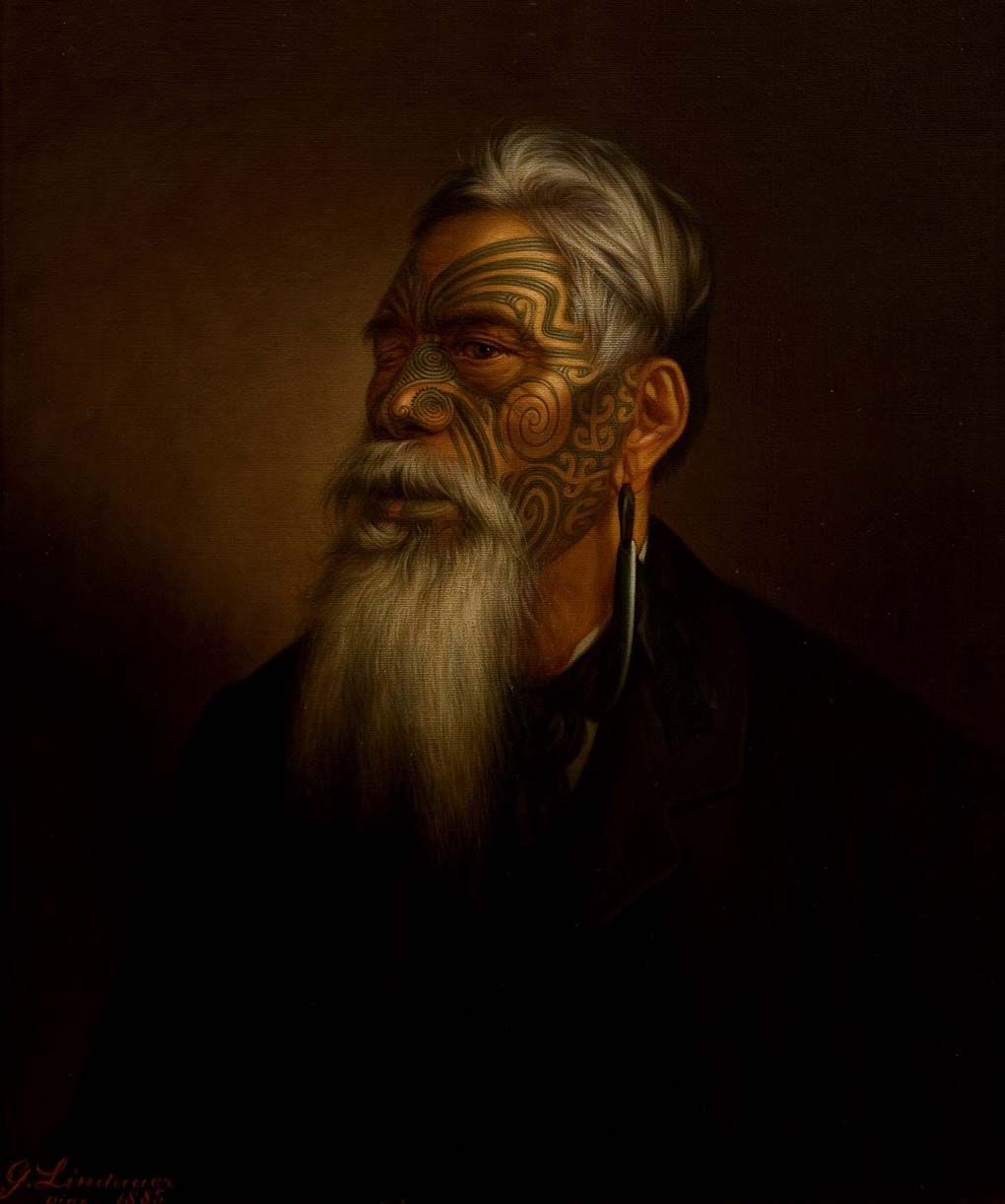
He mōhio a Lindauer ki te tā i ngā āhua rerekē o te tangata kotahi mai i tētahi whakaahua ki tētahi atu. Hei tauira, i tāia a Rēnata Tama-ki-Hikurangi Kawepō, he rangatira rongonui nō Ngāi te Ūpokoiri me Ngāti Kahungunu, e mau ana i ngā kākahu Māori, e pupuri ana i te mere, e mau ana hoki i ngā kākahu Pākehā i āna pikitia nō te tau 1885. He whakaahua papai te pikitia tuatahi, kāore e āta mōhiotia ana tana pakeke. Waihoki, he pai ōna karu e rua, ahakoa i tīkaroa tētahi i ngā tau 1860. He hāngai ake te āhua o te whakaahua e mau ana i ngā kākahu Pākehā (he mea peita mā Partridge) (Āhua 2), arā, kua koroua kē a Kawepō, kua tīkarohia tētahi karu. E noho pātata ana ia ki te mata o te peita, kia pātata mai anō ia ki te kaimātakitaki. He rerekē anō ngā momo mahi whakaahua a Lindauer, e hāngai ana ki ngā hiahia o te kaitono, o te kaupapa rānei.
Ka whakatuwherahia e Henry Partridge tētahi wharetoi ki te tiriti o Queen, ki Tāmaki Makaurau i te tau 1901. E 39 te nui o ngā whakaahua tīpuna a Lindauer e whakaatuhia ana ki reira, ā, kotahi te mahi peita o ngā mahi noa o ia rā. I te wā i takoha a Partridge i tana kohinga whakaahua nā Lindauer ki Auckland Art Gallery i te tau 1915, e 62 ngā whakaahua tīpuna, ā, e waru ngā mahi peita o ngā mahi noa o ia rā. Koia anō ngā pikitia rongonui i kaha toroa hoki e te Pākehā, e te Māori me ngā manuhiri ki Aotearoa. Koia anō ngā whakaahua i tāruaruatia. I tuhia e te tumu hītori, e James Cowan ētahi puka whakaahua mō te kohikohinga rā i te tau 1901, i te tau 1930 hoki. Ko Cowan te tuatahi, otirā ko te tumu hītori Pākehā tuatahi hoki, ki te whakatairanga i te Māori i roto i ngā kōrero mō Aotearoa, kaua ko ngā whakatutukinga a te iwi Pākehā anake. Hei tāna, ‘kāre i tua atu i te ao’ i tana puka whakaahua tuatahi, waihoki he kōrero tēnā ‘nō te ao tawhito’, otirā, hei tāna ‘i riro katoa’ tērā ao i te matenga o Kīngi Tāwhiao i te tau 1894.
He whānui tonu te titiro, te mōhio me ngā whakataunga mō ngā whakaahua a Lindauer, e hāngai kē ana ki te tirohanga, ki te mōhioranga, ngā hiahia, ngā tikanga me ngā momo whakamahinga rerekē o te kaimātakitaki me te kaipupuri. Hāunga anō te tū o ēnei whakaahua tīpuna hei tohu mō tētahi iwi e tāmate haere ana, ki te huhua o ngā Pākehā tuatahi, e mau ana ngā whakaahua i ngā kōrero mō te iwi, arā, ko ngā āhuatanga motuhake o te Māori, ko āna moko, ko ōna kākahu, ko āna taonga me ngā whakapaipai. He tohu rangatira hoki ngā whakaahua ki ētahi Pākehā: e tohu ana i te mana o ngā Pākehā tuatahi ki runga ake i te Māori. Nō reira, kua tino eke te utu o ngā whakaahua tīpuna a Lindauer, he taonga hokohoko, he ara pūtea e whai hua ai te tangata.
Gottfried Lindauer, along with Charles Goldie, was the most prolific and best-known painter of Māori subjects, portraits in particular, in the late 19th to early 20th centuries.
Lindauer was born in Pilsen, Bohemia, then part of the Austro-Hungarian Empire. Despite his German-sounding surname, he was ethnically Czech and was initially named Bohumír (Fig 1). Professionally trained by professors from the Academy of Fine Arts Vienna, he migrated to Aotearoa New Zealand in 1874. Various reasons have been cited for this relocation: a wish to avoid compulsory military service and the decline in portrait commissions as a result of photography, for instance.
Lindauer’s first portraits were painted in Whakatū Nelson. A move to Tāmaki Makaurau Auckland in 1ate 1875 proved crucial. There, he met businessman Henry Partridge, who, over the next 30-plus years, commissioned from Lindauer numerous portraits of eminent Māori, both living and deceased, as well as large-scale depictions of re-enactments of traditional Māori life and customs. The aim of the project was to create a pictorial history of Māori at a time when it was widely, though mistakenly, believed they were dying out, either literally or as a distinct cultural group.
Lindauer travelled extensively around New Zealand. He lived in a variety of locations besides Nelson and Auckland, notably Ōtautahi Christchurch and Ahuriri Napier, where he was closely associated with the photographer Samuel Carnell, also a well-known portraitist of Māori, and finally, from 1890, Woodville.
Lindauer also retained his European and, in particular, his Czech connections. He visited Britain in 1886 for the massive Colonial and Indian Exhibition in London, at which 12 of his Māori portraits were displayed. The commissioner of the New Zealand Pavilion was Walter Buller, otherwise a Native Land Court lawyer who represented both Māori and European clients, and an important patron of the artist. Lindauer and his family lived in Europe, mainly Germany, in 1901 to 1902 and 1911 to 1914, with short returns to Bohemia – as a result of which, several of his Māori portraits were placed in public and private collections there.
Lindauer’s portraits of Māori are diverse in their subjects and in how he depicted them. They can be presented full-length, half-length or in bust format, for instance, and frontal, body in profile or face to the front, as in his many portraits of Heeni Hirini and her baby. Besides his portraits of eminent Māori, he produced many of little-known Māori people, most of whom wear European dress, as would have been the case in their daily life. Most, but not all, of these were probably commissioned by the sitters or their families. In contrast, in Lindauer’s Māori portraits for European patrons, most of the subjects – but again, not all – are shown in customary Māori dress. These are markers of ‘exotic’ difference to European viewers, many of whom would have had little personal familiarity with such appearances.
Lindauer could depict the same person very differently from one portrait to another. For instance, the famous chief Rēnata Tama-ki-Hikurangi Kawepō (Ngāi Te Ūpokoiri, Ngāti Kahungunu) is portrayed both in Māori dress, holding a mere, and in European dress in 1885 pictures. In the former, he is idealised and does not show his actual age. Significantly, he is depicted with two good eyes, even though he had lost an eye in the 1860s. The portrait of him in European clothes (painted for Partridge) (Fig 2) is more realistic, in that Kawepō looks his actual, old age and one eye is appropriately disfigured; he is placed closer to the front plane of the painting, so that it is as if he is, almost, in the viewers’ space. Lindauer adopted differing modes of portraiture, according to the requirements of the commission or occasion.
Henry Partridge opened a gallery in Queen Street, Auckland, in 1901, which initially featured 39 of Lindauer’s Māori portraits and one genre painting. By the time Partridge gifted his Lindauer collection to the Auckland Art Gallery in 1915, there were 62 portraits and eight genre paintings. These became the best known, most seen – by Pākehā, Māori and visitors to New Zealand – and most reproduced of Lindauer’s portraits. The historian James Cowanwrote descriptive catalogues of the collection in 1901 and again in 1930. Cowan was the first and for a long time the only Pākehā historian for whom New Zealand colonial history was not only or primarily a matter of European achievements but one in which Māori were equally important. He characterised the first catalogue as ‘unrivalled in the world’ and a record of the ‘old order’, which in his opinion ‘passed away forever’ with King Tāwhiao’s death in 1894.
How Lindauer’s portraits have been seen, understood and evaluated has varied enormously, depending on their viewers’ and owners’ perspective, knowledge and needs, and on the different socio-cultural contexts of use. For many colonial Europeans, the portraits, besides representing supposedly vanishing Māori culture, functioned as ethnographic documents, providing an inventory of Māori physiognomy, moko, dress, artifacts and ornaments. For some settler colonists, the portraits might well have been experienced as kinds of trophy, too: emblems of settler colonial power over Māori. Subsequently, Lindauer’s Māori portraits have become valuable commercial commodities, financial instruments that can be profitably bought and sold.
Kua tino raruraru te Māori i te hokonga atu o ngā whakaahua a Lindauer mai anō i te waipuketanga mai o te ao Pākehā. Ki te nuinga, otirā, ki ngā whānau me ngā uri o ngā tīpuna, he rerekē anō te wāriu me ngā tikanga e pā ana ki aua mahi peita. Ko te whakatinanatanga ngā whakaahua o te tangata, o te taha kikokiko, o te taha wairua me te mana o taua tangata. He taura here ki ngā rā o mua, he taonga hei whakamarumaru, otirā, he kaitiaki, he pātaka kōrero anō. I te mea nāna ēnei whakaahua i peita, he mana nui hoki tō Lindauer. Kei te taunakitia taua whakaaro e ngā kōrero mō ngā piktia a Lindauer kua tuhia ki roto i Te Pukapuka Manuhiri Māori a te Lindauer Art Gallery.
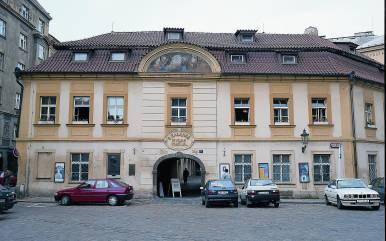
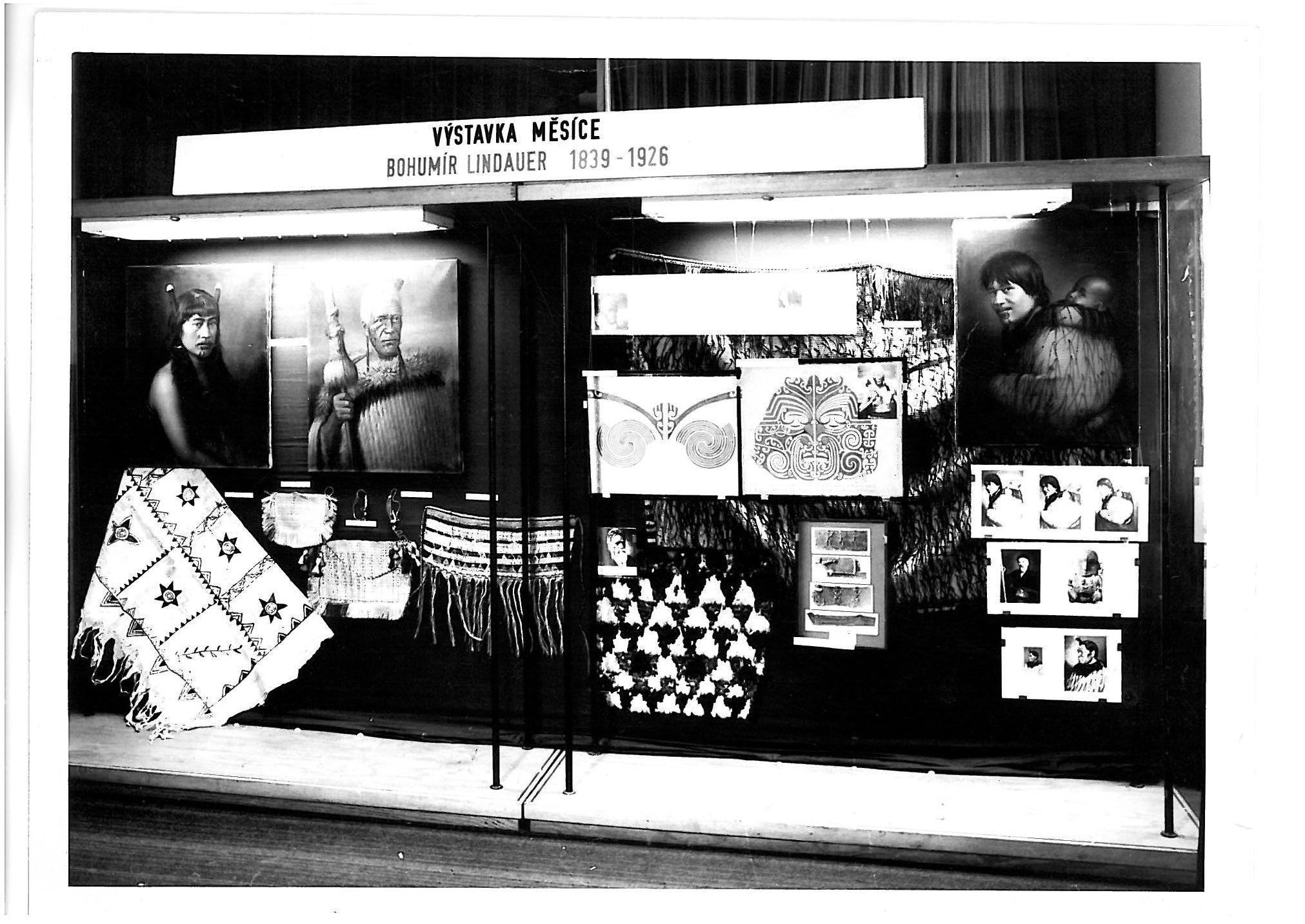
Kāore i te āta mōhiotia ngā kōrero mō Lindauer te tangata. He whakaaro nui tōna ki te ao Māori me ōna tāngata. Hei tā ngā kōrero, kāore ia i whakapono ki te Atua, otirā, he ruarua noa ngā tāngata i pērā i taua wā. He tohu āna mahi me tana ara mahi o tētahi tangata e taunga ana ki te noho i runga anō i tōna āhua motuhake. Ko te āhua o tāna noho, he rerekē rawa atu i te nuinga o ngā Pākehā tuatahi i taua wā. He ruarua noa āna whakaaturanga ki ngā huihuinga toi o Aotearoa, ā, ka noho ia ki ngā tāone pakupaku i te nuinga o te wā. I pōhēhē te nuinga he Tiamana kē ia i te wā o te Pakanga Tuatahi, ā, ka whakarērea e te nuinga, ka rīria rānei i te mea i takea mai ia i ‘Ateria’. Ka pāmamae rātou ko tōna whānau i ēnei āhuatanga. He hoa tata tonu ia ki ngā tāngata nō Tiekerowākia e noho ana ki Aotearoa, ki Pōhīmia hoki, arā, ki te kaikohikohi o te ao tūroa, ki a Václav Frič, rātou ko te kaimātai ā-iwi, ko Vojtěch Náprstek, ko tana wahine anō, arā, ko Josefa. Nā rāua te whare taonga o Náprstek i whakatū ki Prague (Āhua 3). Kei tēnei whare taonga e rua o ngā whakaahua tīpuna a Lindauer me e rua o āna tānga o te moko, waihoki, ko ngā taonga Māori me ngā whakaahua o ngā tīpuna i tāia e ia, he mea hoatu nāna ki te whānau Náprsteks (Āhua 4). Ka tūtaki tētahi o ngā kaituhi rongonui, he kaimātoro o te ao nō Tiekerowākia, arā, ko Josef Kořenský ki a Lindauer ki Aotearoa i te tau 1900, otirā, nānā tētahi kōrero i tuhituhi mō ngā mahi a Lindauer ki roto i te hautaka o Vesmír, i te tau 1896. Hei tā Kořenský i roto i tana pukapuka mō āna toronga ki Ahitereiria me Aotearoa i te tau 1905, he mea ‘mīharo’ te tūhonotanga atu o tētahi ringatoi nō Tiekerowākia me te Māori. Hei tāna e whakanuia ana ngā whakaahua a Lindauer e te Māori, ā, kāore i āta kitea ngā mahi a Lindauer e te Pākehā ki Aotearoa. ‘Ki te whakahuatia te ingoa o Lindauer, ka tūngoungou te māhunga o ngā rangatira Māori . . . Ka tae atu koe ki te tangihanga ki te whare o tētahi rangatira, he aha rā hoki te mea e iri ana ki runga ake i te tūpāpaku? He mahi peita, kua āta tāia ki te āhua tūturu o te rangatira. Nā wai te pikitia rā i waihanga? Mēnā ka titiro koe ki te kokonga o te pikitia, kei reira te hainatanga o te ringatoi: ko Bohuslav Lindauer.’ Koia ko te tuhinga a Kořenský.1
He aha oti te āhuatanga motuhake o ngā whakaahua tīpuna a Lindauer? I a ia i Te Whanganui-a-Tara he mea whakahirahira ki a Kořenský ‘te tū o tētahi ringatoi nō Tiekerowākia ki tēnei whenua tauhou kei tawhiti pāmamao’.
Kua hua mai ngā pikitia Māori a Lindauer i te tūtakinga o ngā iwi tino rerekē. Kua tuituia e ia ngā āhuatanga mai i te huhua o ngā tikanga me ngā iwi rerekē, arā, i te Māori, i te tangata nō Tiekerowākia, i te Tiamana, i te Ateria, i te Ingarihi (nō Ingarangi tana wahine tuarua, arā, ko Rebecca Petty), i te Wīwī me te iwi Pākehā hou e ara mai ana i taua wā. Hei konā, ka kitea te mātau o tēnei ringatoi i kaha whakahāwea i tōna anō wā i te mākihakiha o āna tikanga toi nō te ao tawhito, arā, nō mua noa atu ōna pūkenga i te wā i a ia.
The monetary commodification of Lindauer’s portraits has concerned Māori since the late colonial period. For many, especially the families and descendants of those portrayed, the paintings have very different values and meanings. They were and are experienced as embodiments of the presence, spirit and mana of the person, as links between the past and present, and as taonga that need to be protected, and which also protect people and culture. As the man who made the portraits, Lindauer was also held in high regard. The responses to Lindauer’s paintings by Māori visitors recorded in the Lindauer Art Gallery Māori Visitors’ Book testify to this.
Lindauer’s personality remains rather elusive. He respected Māori people and culture. Reportedly, he was an atheist or agnostic at a time and in a society when that was not common. His actions and career suggest that he was independent minded. In some fundamental respects, he lived on the margins of mainstream settler colonial society. He rarely exhibited at art society shows in New Zealand and lived most of his life here in small towns. He was frequently misidentified as German and during World War One was subject to some social ostracism and hostility because of his former ‘Austrian’ nationality. These experiences were very upsetting for him and his family.
Lindauer maintained close connections with a number of fellow Czechs, both in New Zealand and Bohemia – notably, the leading naturalist and collector Václav Frič; and the ethnographer Vojtěch Náprstek and his wife Josefa, founders of the Náprstek Museum in Prague (Fig 3). This museum holds two of Lindauer’s Māori portraits and two of his rare drawings of moko designs, as well as Māori taonga and photographs of Māori subjects that the artist gifted to the Náprsteks (Fig 4). The prominent Czech writer and global traveller Josef Kořenský met up with Lindauer in New Zealand in 1900, having previously written an article on his work for the Czech periodical Vesmír, in 1896. Kořenský described the coming together of a Czech artist and Māori as ‘incredible’ in his 1905 book on his travels in Australia and New Zealand, in which he also stressed how Lindauer’s portraits were used and valued by Māori – at a time when these dimensions of Lindauer’s work were generally overlooked by Europeans in New Zealand. ‘Say the name, Lindauer, and every Māori chief will nod his head . . . When you attend a funeral and visit the house of a chief, what do you see above the displayed corpse? You will see a painting, which is the true likeness of the chief. And who was the creator of this work? If you look at the corner of the . . . painting, you will recognize the artist’s signature: Bohuslav Lindauer,’ Kořenský wrote.1
What is unique about Lindauer’s portraits of Māori? When in Te Whanganui-a-Tara Wellington, Kořenský was elated by the fact that ‘a Czech artist . . . was standing there in this far foreign land’.
Lindauer’s Māori subject pictures are the result of encounters between otherwise very different people. His paintings are complex interweavings of elements drawn from diverse cultures and societies – Māori, Czech, German, Austrian, English (his second wife, Rebecca Petty, was English), French and emerging Pākēha. In this respect, an artist commonly criticised as conservative and old-fashioned can now be seen to have been ahead of his time.
Leonard Bell, ‘Crossing Boundaries: Gottfried Lindauer, a Czech Artist in New Zealand and his Paintings of Māori’, Uměni/Art, vol 4, 2000, pp 218–30.
Leonard Bell, ‘Gottfried Lindauer’, The Dictionary of New Zealand Biography: Volume One: 1769–1869, Allen & Unwin/Department of Internal Affairs, Wellington, 1990.
Leonard Bell, ‘Lindauer (1839–1926)’, Chapter 9 in The Maori in European Art: A Survey of the Representation of the Maori by European Artists from the time of Captain Cook to the Present Day, Leonard Bell, A H & A W Reed, Wellington, 1980, pp 62–9.
Leonard Bell, ‘Lindauer’s Paintings of Maori Customs and Legend’, in Colonial Constructs: European Images of Maori 1840–1914, Leonard Bell, Auckland University Press, Auckland, 1992, pp 195–221.
James Cowan, Maori Biographies: Sketches of Old New Zealand: Descriptive Catalogue of Maori Portraits Painted by Herr G Lindauer, Brett Printing and Publishing Company, Auckland, 1901.
James Cowan, Pictures of Old New Zealand: The Partridge Collection of Maori Paintings by Gottfried Lindauer, Whitcombe & Tombs, Auckland, 1930.
Aleš Filip and Roman Musil, eds, Gottfried Lindauer 1839–1926: Pilsen Painter of the New Zealand Māori, Arbor vitae in Řevnice and the Gallery of West Bohemia, Pilsen, 2015.
Briar Gordon and Peter Stupples, Gottfried Lindauer: His Life and Maori Art, Collins, Auckland, 1985.
J C Graham (ed), Maori Paintings: Pictures from the Partridge Collection of Paintings by Gottfried Lindauer, Reed, Wellington, 1965.
Udo Kittelmann and Britta Schmitz, eds, Gottfried Lindauer: Die Māori-Portraits, Verlag der Buchhandlung Walther König for the Nationalgalerie, Staatliche Museen zu Berlin in collaboration with Auckland Art Gallery Toi o Tāmaki, Köln, 2014.
Ngahiraka Mason and Zara Stanhope, eds, Gottfried Lindauer’s New Zealand: The Māori Portraits, Auckland University Press and Auckland Art Gallery Toi o Tāmaki, Auckland, 2016.
- Josef Korénský, K protinozcum: cesta do Australie, Tasmanie, na Nový Zélande (Prague: 1905), II, p 116-117.