Hōri Kīngi Te Ānaua
? – 1868Te Āti Haunui-a-Pāpārangi
- Date
- c 1910
- Medium
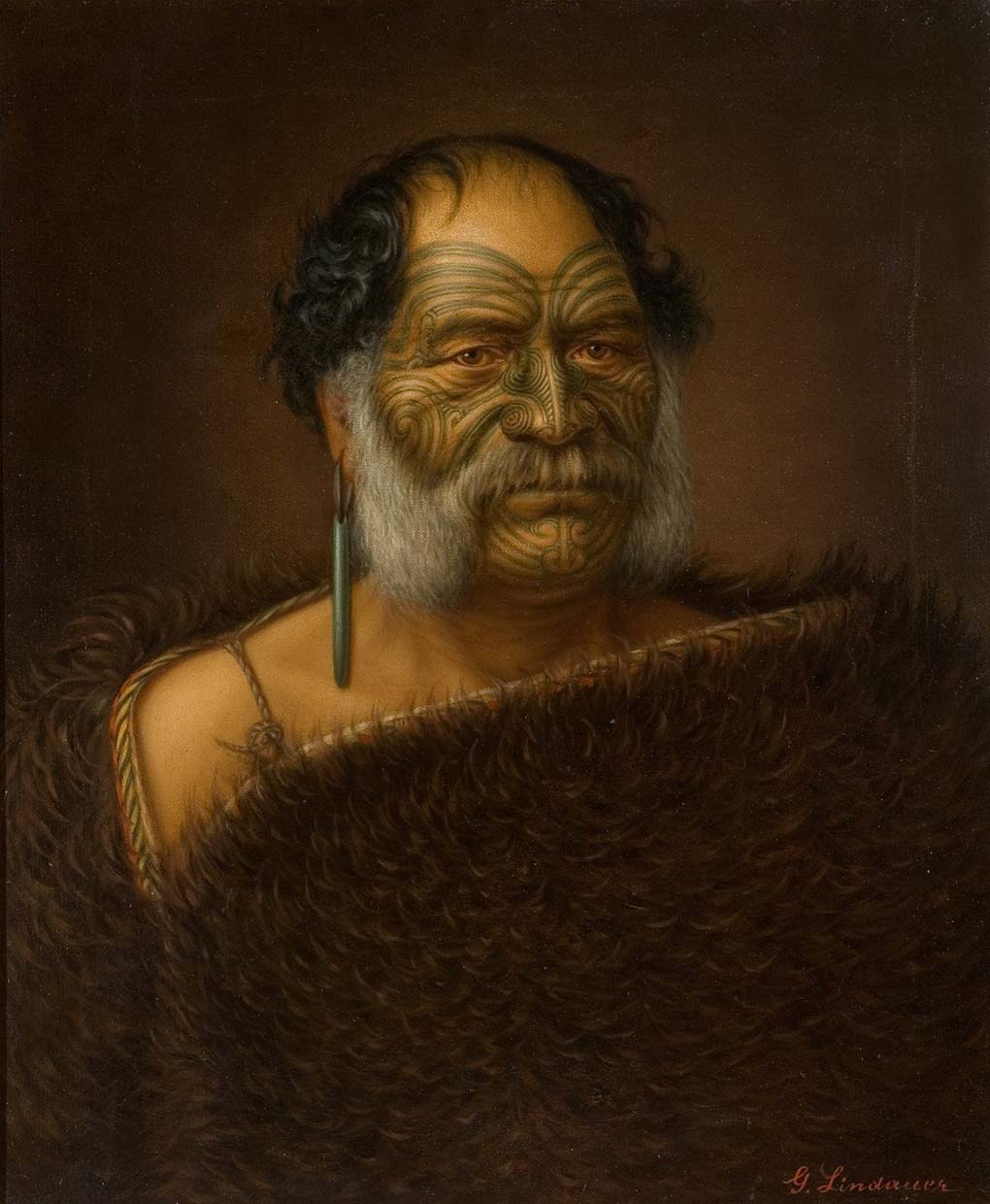
- oil on canvas
- Measurements
- 625 x 525 mm
- Other titles
- Hori Kingi Te Anaua, [title, 2026]Hori Kingi Te Anaua, [1930 catalogue]Hori Kingi te Anaua, [Deed of gift, 1915]Painting Portrait of Chief Hori Kingi te Anaua, [copyright certificate, 1913]Chief Hori Kingi te Anau, [Lindauer's inscribed title]
- Inscriptions
- Front, LR: G. LindauerBack, LC: Chief Hori Kingi te Anau
- Takiwā / region
- Te Tai Hauāuru
- Credit line
- Auckland Art Gallery Toi o Tāmaki, gift of Mr H E Partridge, 1915
- Accession no.
- 1915/2/12
Hōri Kīngi Te Ānaua was from Pūtiki Wharanui, near the mouth of the Whanganui River. His father was Te Aewa from Te Āti Haunui-a-Pāpārangi and his mother was Titia from Te Arawa. He was twice married, but no children were recorded from either marriage.
Te Ānaua was one of the signatories of Te Tiriti o Waitangi at Whanganui in 1840. He was baptised at Pūtiki on Christmas Day 1842 by missionary John Mason and took the name Hōri Kīngi, or George King. After Te Ānaua became a Christian, his lower Whanganui River tribe came under the influence of the Church Missionary Society, which established a mission at Pūtiki. In 1848, he was appointed a magistrate and in the 1860s an assessor for the Crown.
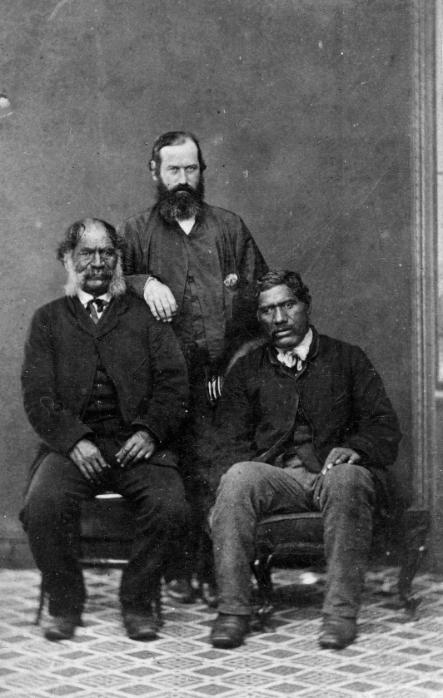
Te Ānaua represented his people at the 1860 Kohimārama meeting of Māori leaders, along with other Whanganui rangatira, such as Te Māwae, Hoani Wiremu Hīpango, Mete Kīngi, Tāmati Wiremu, Kāwana Pitiroi Paipai and Hōri Kerei Paipai.1 Te Ānaua died, aged approximately 75, at Pūtiki on 18 September 1868 and was buried at nearby Korowhata Hill.
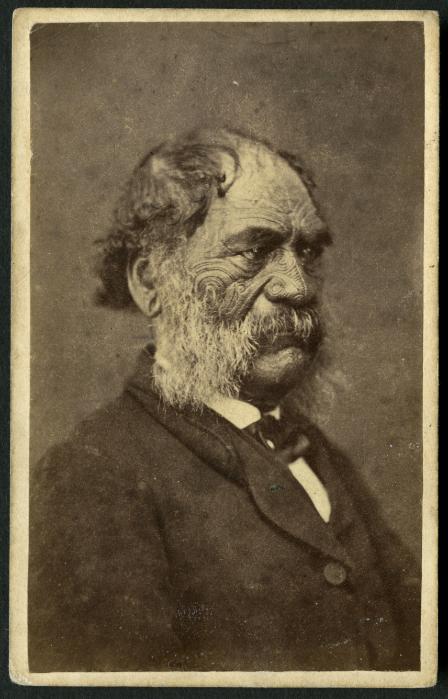
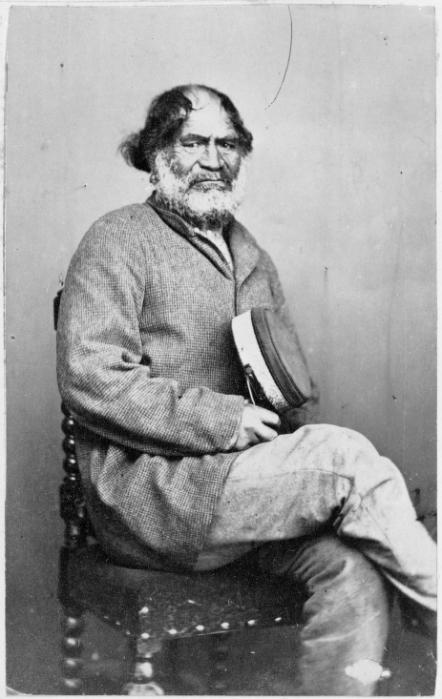
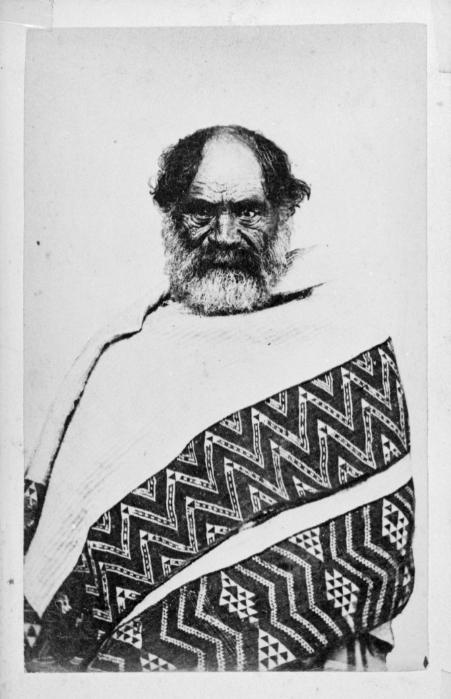
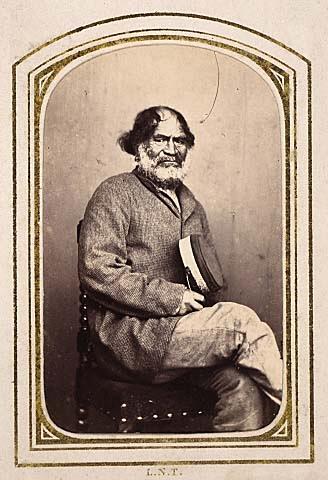
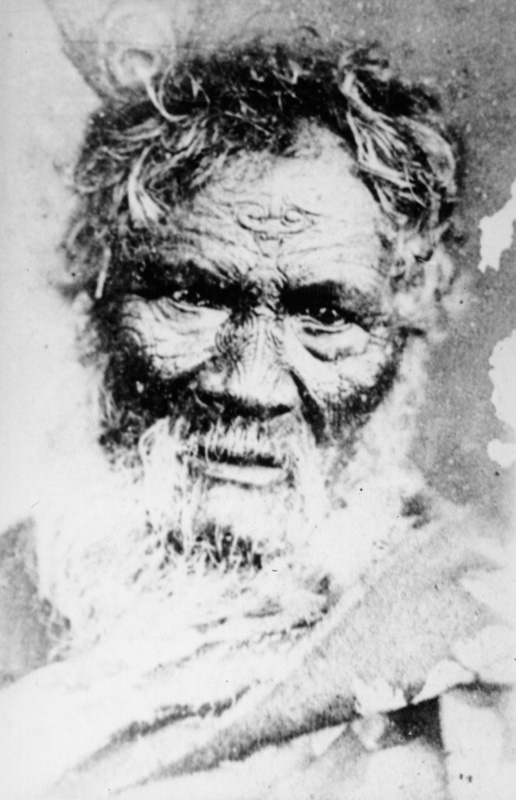
Lindauer’s portrait of Te Ānaua is based on a photograph by G W Bishop, believed to date to the 1860s. The photograph shows Te Ānaua dressed in European clothing, in keeping with its widespread adoption by Māori As in other portraits commissioned by Henry Partridge, Lindauer opted to re-present his sitter: depicted with his detailed mataora, Te Ānaua is also shown wearing a kahu kiwi loose across his right shoulder and a long kuru pounamu. Like the much treasured kahu kiwi, this pendant was an appropriate adornment for a distinguished rangatira.
‘The Great Meeting of Native Chiefs’, Wellington Independent, 4 September 1860, p 5.