![Wiremu Tako Ngātata [Hon, MLC]](https://cdn.aucklandunlimited.com/lindauer/assets/media/wi-tako-ngatata-image.jpg)
Wiremu Tako Ngātata [Hon, MLC]
? – 1887Ngāti Ruanui, Te Atiawa
- Date
- 1880
- Medium
- oil on canvas
- Measurements
- 510 x 433 mm
- Other titles
- Hon Wiremu Tako Ngatata Te Teoteo MLC, [title, 2026]Hon. Wi Tako Ngatata, M.L.C., [1930 catalogue]Hon. Wi Tako, M.L.C., [Deed of gift, 1915]Hon. Wi Tako Ngatata, M.L.C., [1901 catalogue]Oil Painting of Hon. Wi Tako Ngatata MLC, [copyright certificate, 1902]Hon. Wi-Tako Ngatata M.L.C. Chief of the Ngatiapa Tribe, [Lindauer's inscribed title]
- Inscriptions
- Front, LL: G. LindauerBack, LC: Hon. Wi-Tako Ngatata M.L.C. Chief of the Ngatiapa TribeBack, LR: G. Lindauer 1880
- Takiwā / region
- Te Tai Hauāuru
- Credit line
- Auckland Art Gallery Toi o Tāmaki, gift of Mr H E Partridge, 1915
- Accession no.
- 1915/2/11
Wiremu Tako Ngātata was born around 1815 at Puke Ariki Pā in Taranaki. His father was Ngātata-i-te-rangi of Te Atiawa and his mother Whetowheto of Ngāti Ruanui.
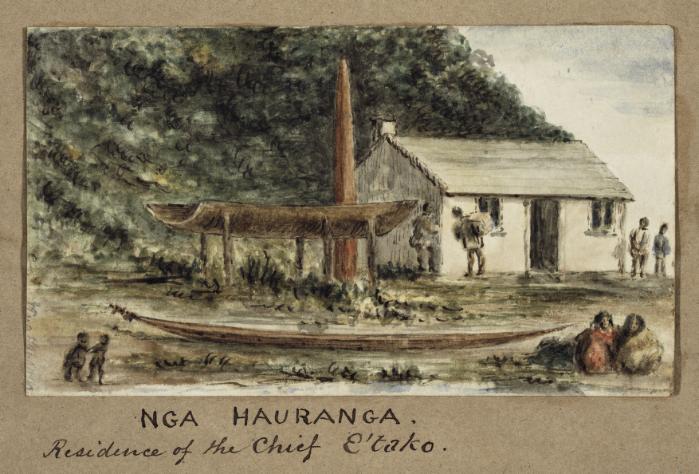
Ngātata left Taranaki in 1832 – he and a group moving permanently to Te Whanganui-a-Tara Wellington. Ngātata established himself on the Kumutoto Stream on the edge of Port Nicholson. The transition was not smooth and his people came into conflict with iwi already living in the area. From 1840, Pākehā settlement further disrupted and complicated arrangements, with new demands for land in the Wellington region.
Ngātata provided considerable assistance to the Crown in purchasing land for early settlers. By the 1860s, the greater part of Wellington had passed into the hands of settlers and the colonial government. Unfortunately, these land sales were often manipulated by the Crown with little understanding by Māori of the agreements being brokered by the Crown agents.
Ngātata was aware of the problems arising. In 1848, after hearing of hostility and prejudice by Pākehā toward Māori, he wrote to land purchase agent Donald McLean:
E kore au e pai kia utu, toku toto ki te paraikete ki te hoiho
Engari pea he toto mana waku toto
[I will not agree to give my blood for a blanket or a horse
Except perhaps blood for blood]1
At the height of his influence, Ngātata’s mana among Māori chiefs was significant, although he was later accused of being more loyal to Queen Victoria than to the Māori King.
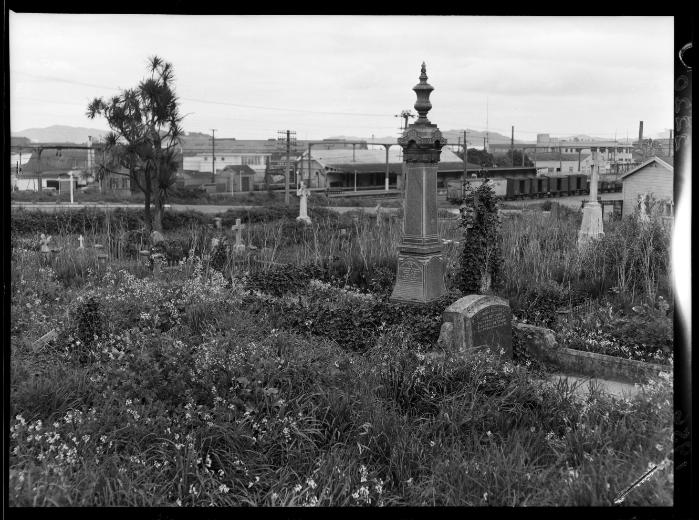
In 1872, Ngātata became one of the first Māori members of the Legislative Council. He died in 1887 aged over 80 years old and is buried in the Pito-one Petone cemetery.
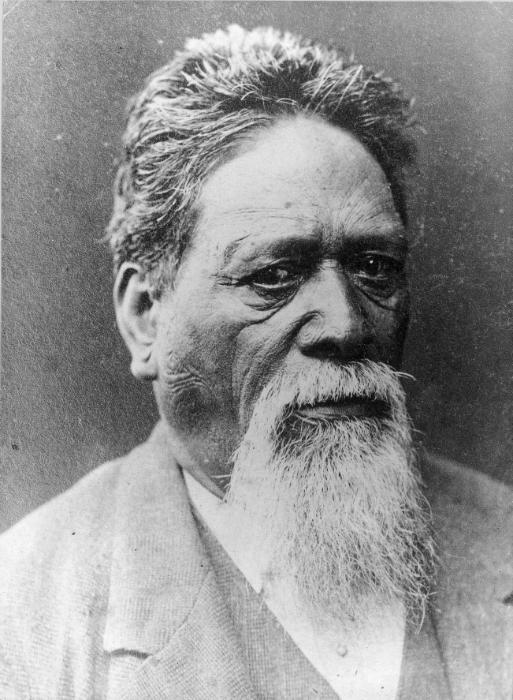
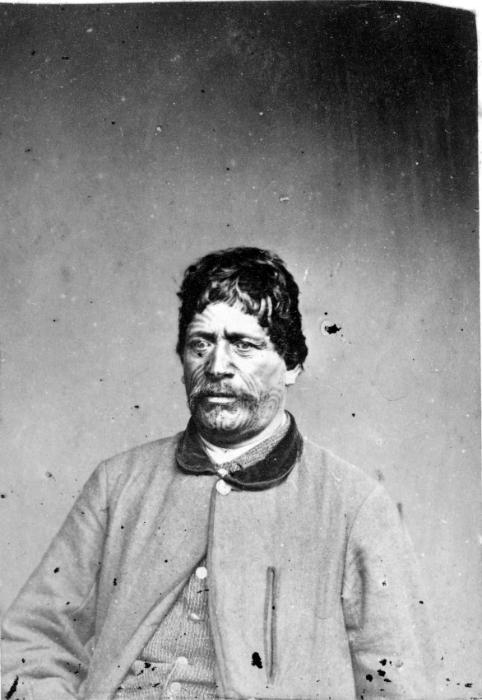
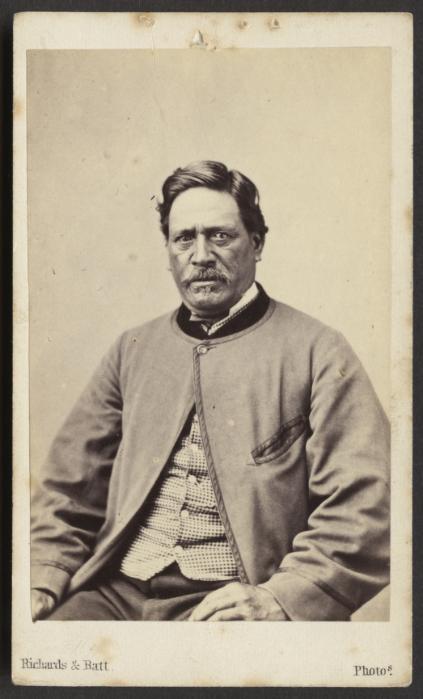
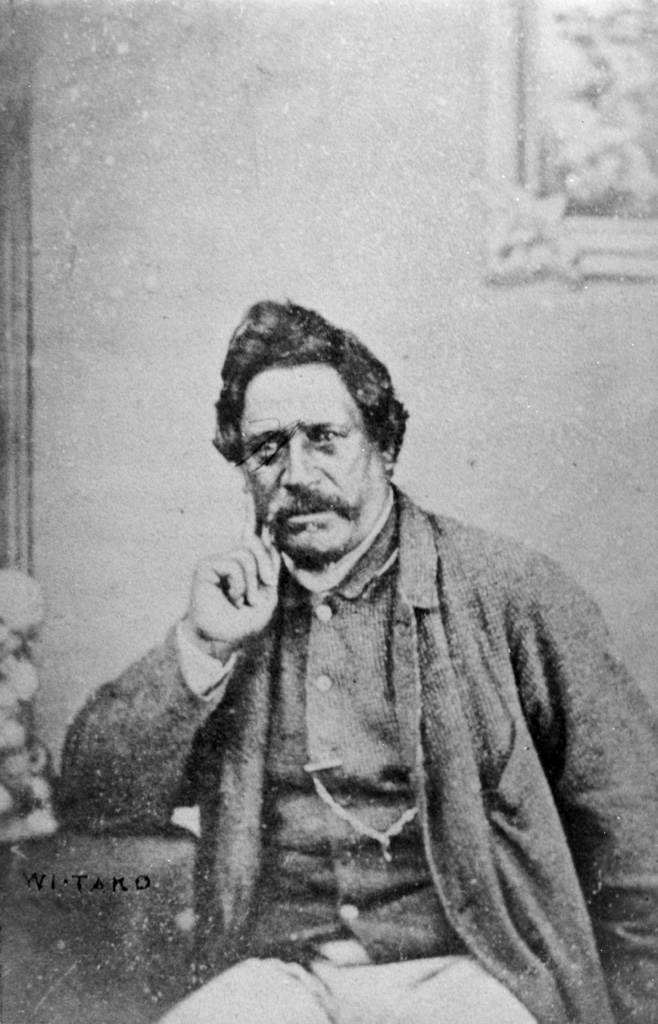
Lindauer painted Ngātata on more than three occasions. In this painting, based on a photographic portrait by an unknown photographer, Lindauer has depicted Ngātata in a three-piece suit and a white shirt. What appears to have been a light-coloured suit in the original photograph has, in Lindauer’s interpretation, become dark. Ngātata’s impressive mataora appears only faintly in the photograph, light softly catching the indentation in his skin.
Letter from Ngātata to McLean (with translation), 1 September 1848, MS-Papers-0032-0672C-08, Donald McLean Papers, Alexander Turnbull Library, Wellington.