Piecing Parts of a Puzzle Together: Researching Ana Rupene and Child
Ngahiraka Mason
Indigenous Curator, Auckland Art Gallery Toi o Tāmaki
First published in 2014
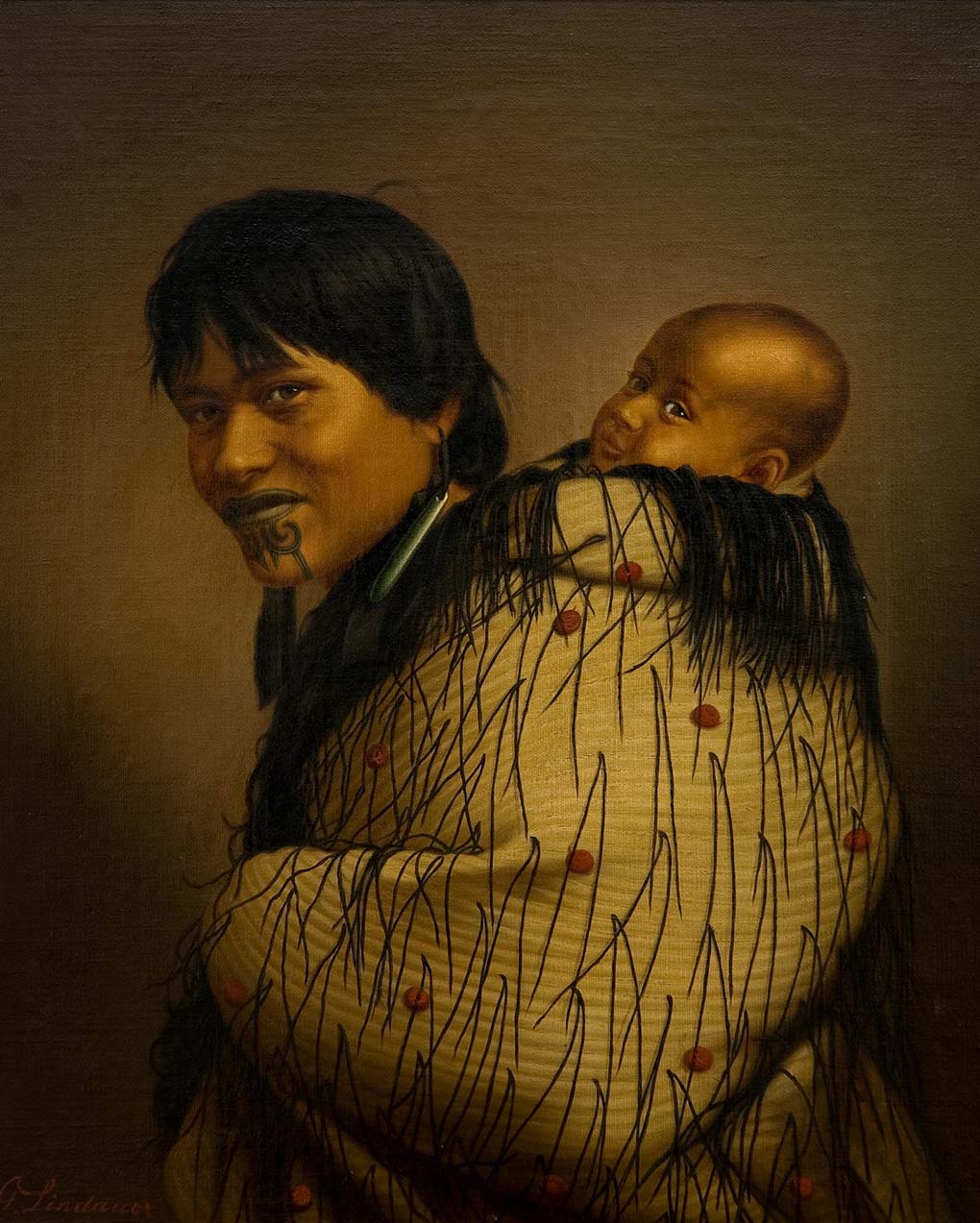
Ko te mahi a te kairangahau, he whakarongo, he titiro, ā, he mahi i runga i te ngāwari i ngā wā katoa. Ko te pūtake o te mahi rangahau, he rapu, he whāriki, he whakaemi i ngā maramara kōrero e ngaro ana i a koe, i te kaupapa rānei. Ka ara mai he kōrero hou, ka huraina mai he wāhi anō o te panga. Me ngākau nui te kairangahau ki te 'kimi' hei reira ia ka kite! Ko te aronga o tēnei tuhinga roa ko Ana Rupene nō Ngāti Maru, heoi, nō te tau 2011 tautohua anō ai e Toi o Tāmaki ko Heeni Hirini kē. He mea mīharo ngā whakamārama mō te whakaahua kiritangata a Gotfried Lindauer, i tapaina tuatahitia ki te ingoa Ana Rupene and Child, e mōhiotia ana ināianei ki te ingoa Heeni Hirini and child (Āhua 1). I te takanga o te wā, kua piki ake te mana o tēnei mahi peita nō te tau 1878. He mea raupī nā Toi o Tāmaki mai i te tau 1915 ki te kohinga whakaahua kiritangata o Lindauer. Koinei tētahi o ngā putanga maha o tēnei wahine i peitahia e Lindauer – kāore e āta mōhiotia ana te nui o ngā whakaahua kiritangata mō Ana Rupene and Child, heoi, ko te whakapae kei te takiwā o te 30 te tatau o ngā kape.1
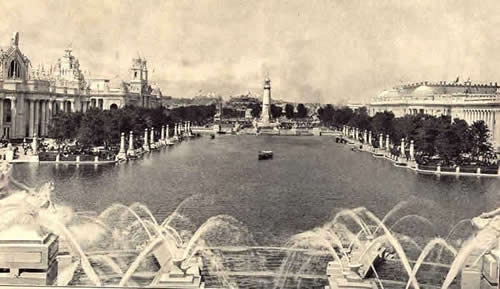
Ka whakaatuhia te kape a te Whare toi mō Ana Rupene and Child ki te Louisiana Purchase Exposition i te tau 1904. Ka whakawhiwhia ki te mētara kōura, otirā, he mea hoatu kē te mētara rā ki a Henry Partridge, he kaihoko o ngā pikitia a Lindauer, kaua ki te ringatoi.2
The role of a researcher is to listen, observe and be flexible at all times. The purpose of research is to seek, unfold and piece together parts of a story missing from your version or account. Every new piece of information might reveal a connection to another part of the research puzzle. Researching is an activity that requires ‘seeking’ and a will to find! The focus of this essay is on Ana Rupene of Ngāti Maru, who was re-identified by Auckland Art Gallery Toi o Tāmaki as Heeni Hirini in 2011. Gottfried Lindauer’s portrait originally titled Ana Rupene and Child, today known as Heeni Hirini and child (Fig 1), has an intriguing backstory. Over time, the 1878 painting has accrued importance in the Gallery’s family of Lindauer portraits, over which it has had guardianship since 1915. It is one of many versions Lindauer painted of the subject – the precise number of Ana Rupene and Child portraits in existence is a mystery, although it has been estimated Lindauer created up to 30 versions.1
The Gallery’s version of Ana Rupene and Child won a gold medal when displayed at the Louisiana Purchase Exposition of 1904 (Fig 2), with the medal being conferred on Lindauer’s patron Henry Partridge, rather than the artist.2
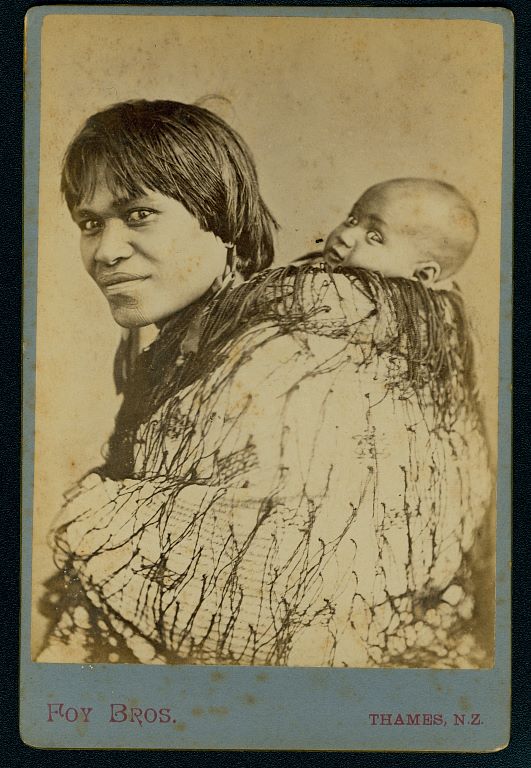
Fig 3 Foy Brothers, Heeni (Heeni Hirini and child), between 1872–78, albumen silver print on cabinet card, Auckland Art Gallery Toi o Tāmaki, on loan from Peter, Frances, Mark and Paul Langdon, whose father John Marshall (Jack) Langdon was the son of Louisa Langdon, one of the seven children of James Joseph Foy
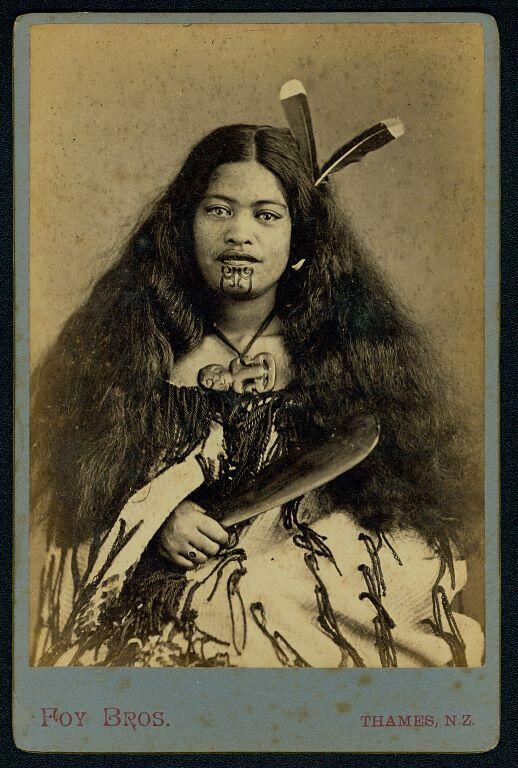
Fig 4 Foy Brothers, Pare Wātene, between 1872–78, albumen silver print on cabinet card, Auckland Art Gallery Toi o Tāmaki, on loan from Peter, Frances, Mark and Paul Langdon, whose father John Marshall (Jack) Langdon was the son of Louisa Langdon, one of the seven children of James Joseph Foy
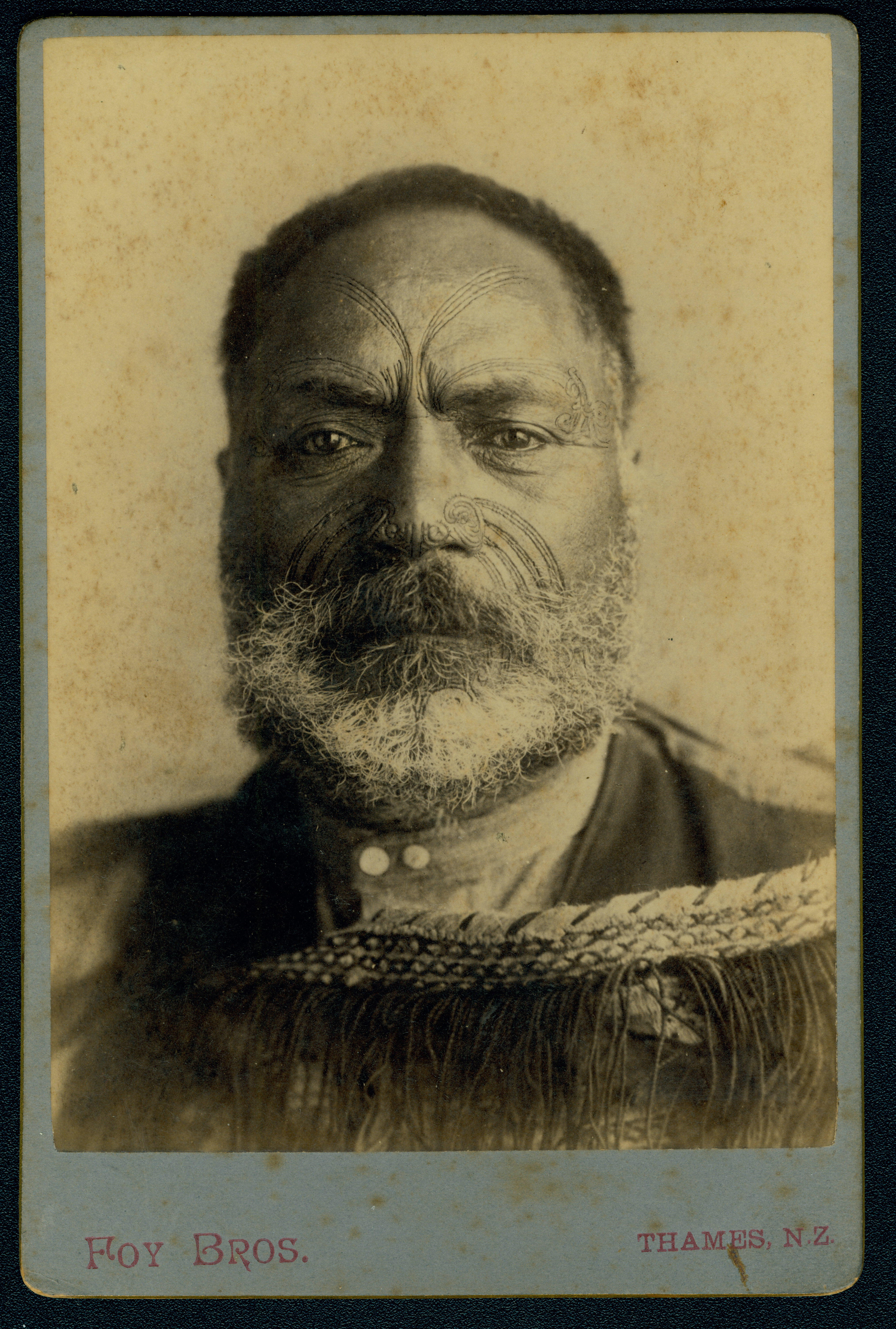
Fig 5 Foy Brothers, Hōri Ngākapa Te Whanaunga, between 1872–78, albumen silver print on cabinet card, Auckland Art Gallery Toi o Tāmaki, on loan from Peter, Frances, Mark and Paul, whose father John Marshall (Jack) Langdon was the son of Louisa Langdon, one of the seven children of James Joseph Foy
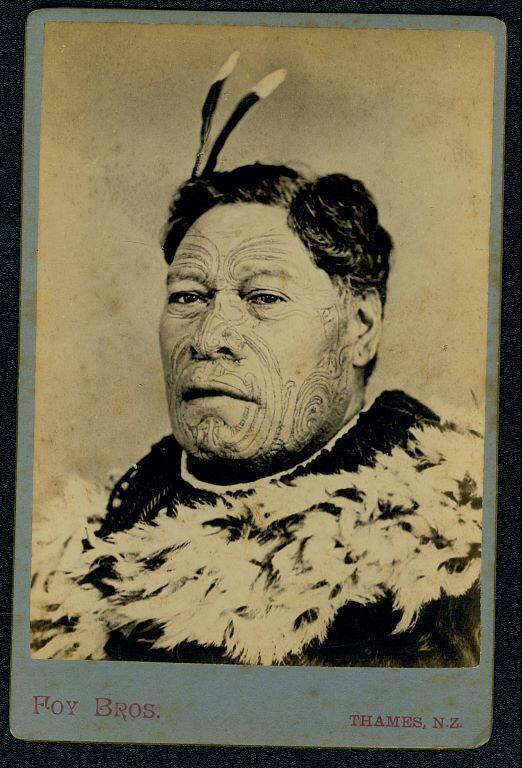
Fig 6 Foy Brothers, Tāmati Wāka Te Puhi, between 1872–78, albumen silver print on cabinet card, Auckland Art Gallery Toi o Tāmaki, on loan from Peter, Frances, Mark and Paul Langdon, whose father John Marshall (Jack) Langdon was the son of Louisa Langdon, one of the seven children of James Joseph Foy
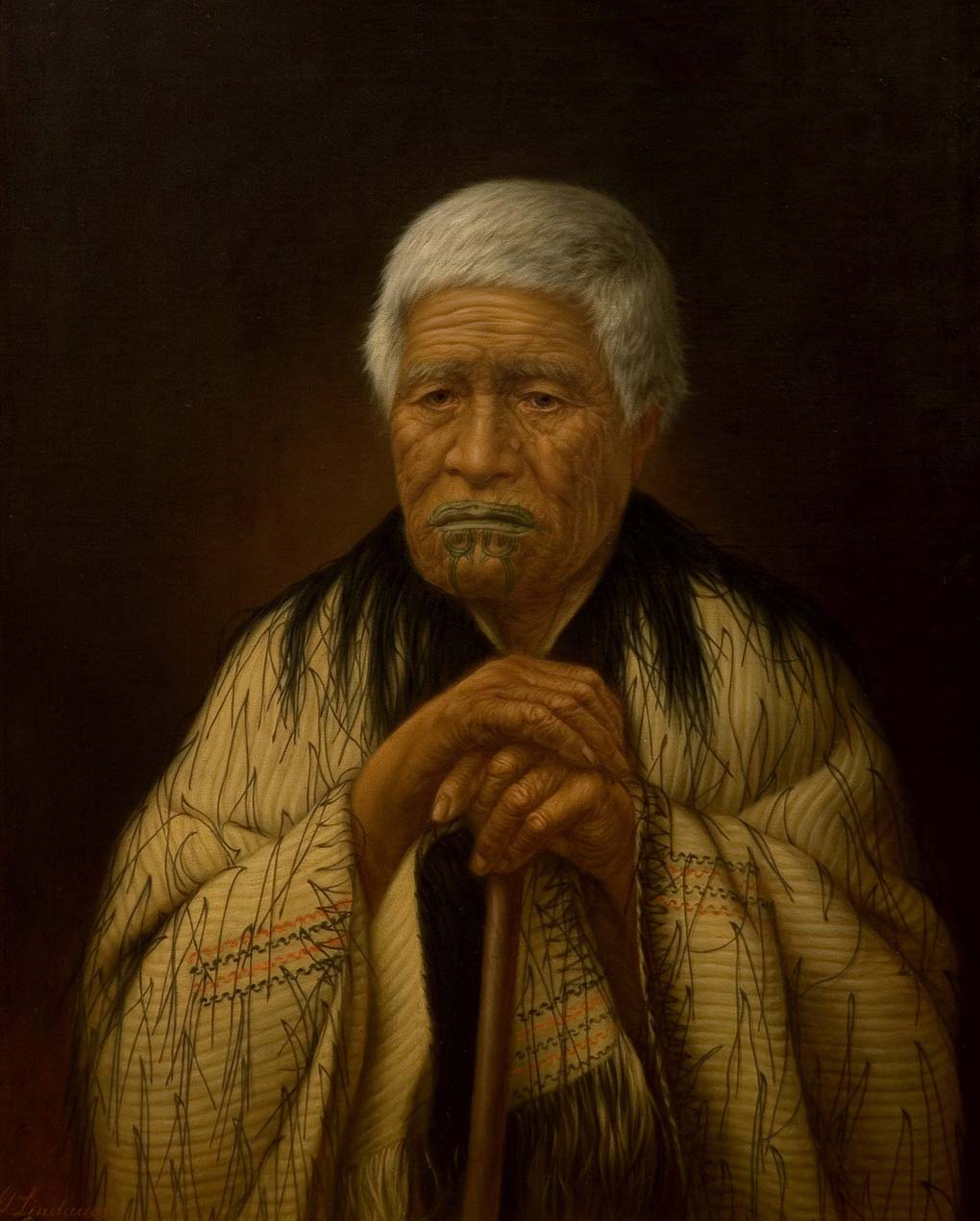
Fig 7 Gottfried Lindauer, Mere Kuru Te Kati, 1903, oil on canvas, Auckland Art Gallery Toi o Tamāki, gift of Mr H E Partridge, 1915
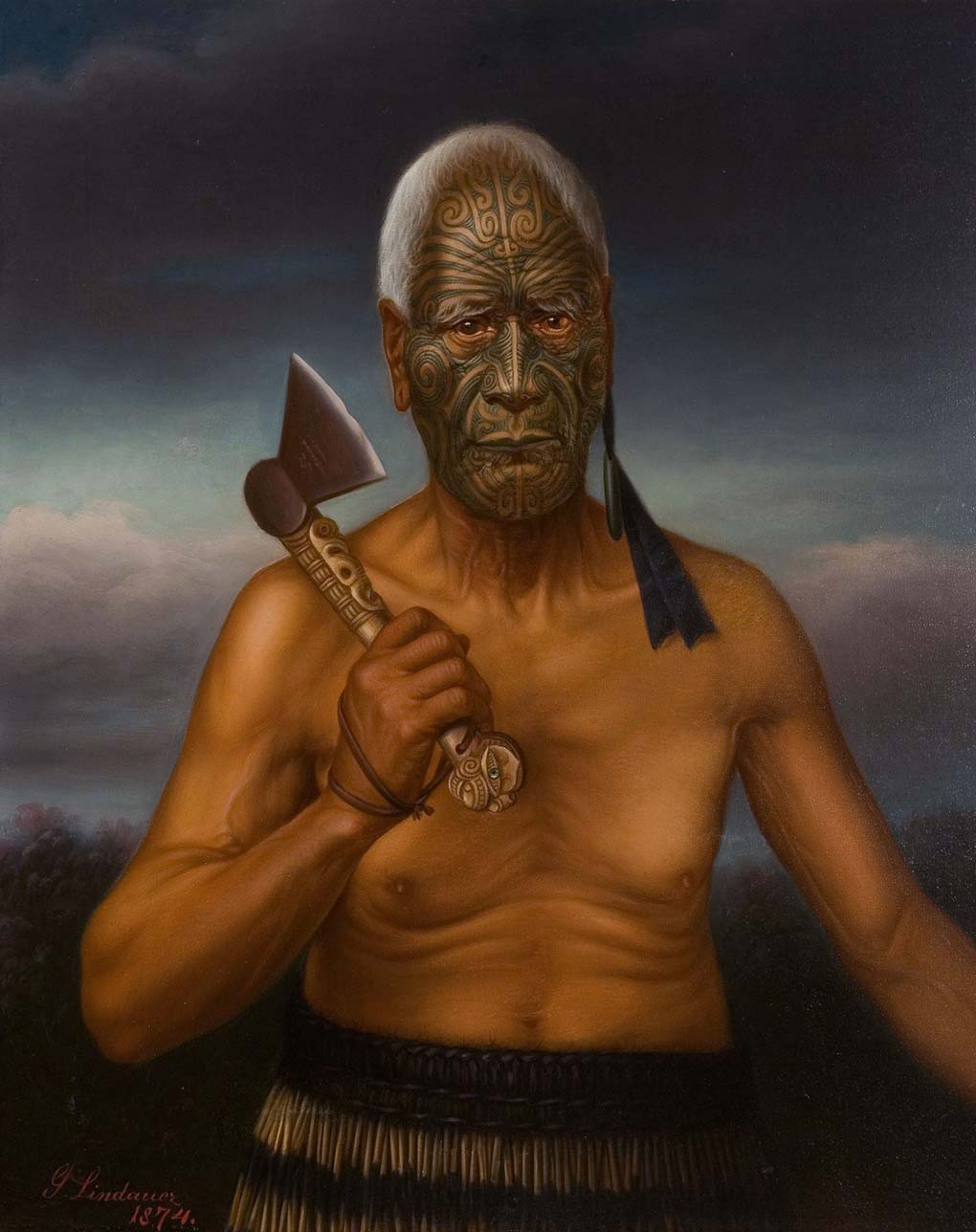
Fig 8 Gottfried Lindauer, Tāraia Ngākuti Te Tumuhuia, 1874?, oil on canvas, Auckland Art Gallery Toi o Tāmaki, gift of Mr H E Partridge, 1915
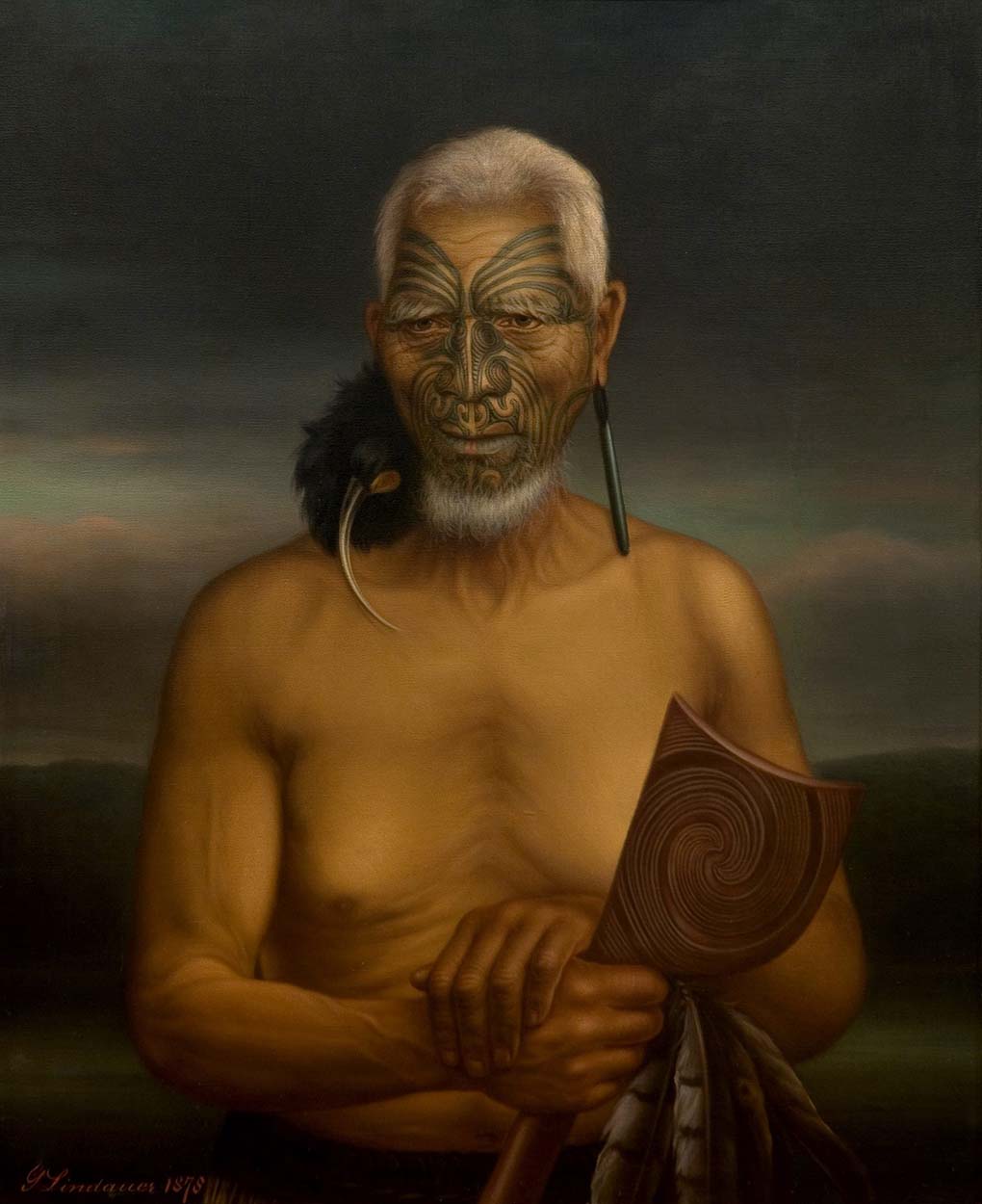
Fig 9 Gottfried Lindauer, Tukukino Te Ahiātaewa, 1878, oil on canvas, Auckland Art Gallery Toi o Tāmaki, gift of Mr H E Partridge, 1915
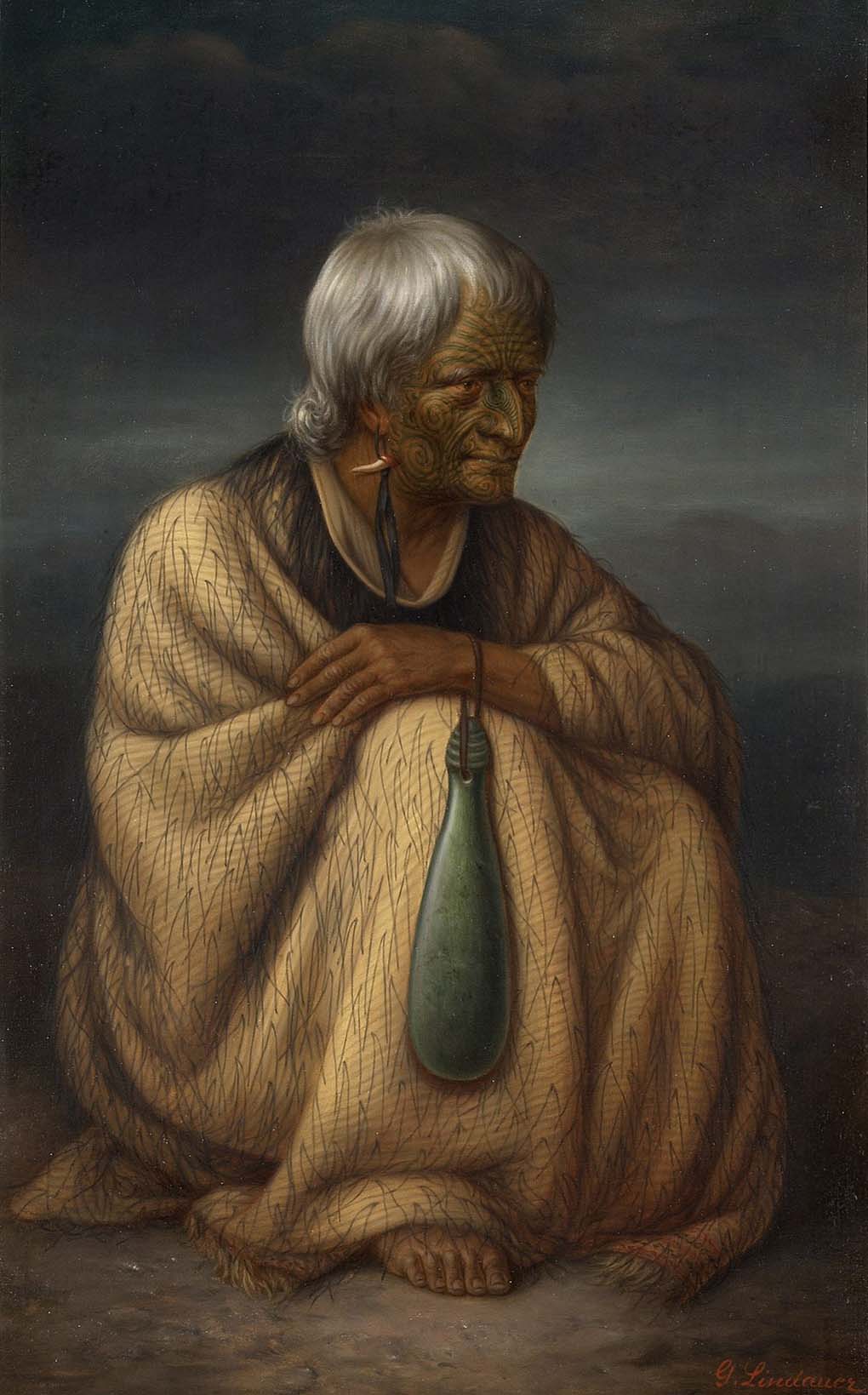
Fig 10 Gottfried Lindauer, Te Horetā Te Taniwha, c1910, oil on canvas, Auckland Art Gallery Toi o Tāmaki, gift of Mr H E Partridge, 1915
Kua takea mai te nuinga o ngā kape o Ana Rupene and Child i tētahi whakaahua i puta mai i te taupuni mahi o ngā Foy Brothers ki Te Kauaeranga i waenga i te tau 1871 me te tau 1878.3 Ka whakaputaina ngā whakaahua taupuni rā o ngā Māori hei 'kohinga ā-whānau' mō ngā tāngata nō tētahi rohe motuhake, pērā i ngā tūpuna nō Pare Hauraki. Kua takea mai ngā whakaahua kiritangata i tāia e Lindauer i te tau 1878 i ngā mahi whakaahua nā ngā Foy Brothers mō Ana Rupene rātou ko Pare Wātene, ko Hōri Ngākapa Te Whanaunga, ko Tāmati Wāka Te Puhi (Āhua 3–6). I peitahia e Lindauer ētahi atu tūpuna nō Hauraki pērā i a Mere Kuru Te Kati rātou ko Tāraia Ngākuti Te Tumuhuia, ko Tukukino Te Ahiātaewa, ko Te Horetā Te Taniwha, heoi, kāore rātou i whakaahuangia e ngā Foy Brothers.
I whakaputaina anōtia ngā whakaahua a ngā Foy Brothers hei kāri mahi4, hei kāri mihi5 rānei, he momo 'taonga hokohoko', ā, koia anō te pūtakenga mai o te horanga atu o te āhua o Ana Rupene ki te ao whānui.6 Ahakoa tēnei, e mauana e ngā uri o ngā Foy Brothers ki ētahi whakaahua o ngā tūpuna Māori engari kāore ā rātou whakaahua o ō rātou ake tūpuna rā, a James Joseph Foy rāua ko Joseph Michael Foy.
I te paunga o te rautau 19, he rongonui te whakaahua kiritangata o Ana Rupene and Child i te ao tūmatanui, i te ao tūmataiti hoki. Heoi, nō ngā tau 1960 noa ka mōhio ngā uri o Ana Rupene ki tēnei peita kiritangata o tō rātou tupuna kuia. Ka huraina mai he kōrero anō mōna i ngā tau 1980, i te whakahoutanga o ngā kāri manuhiri e whakanui ana i ngā mahi peita a Lindauer.7
Ahakoa, e noho rehurehu ana ētahi o te panga kōrero nei, kei ngā uri ngā aho hei whatu i tētahi kahu kōrero. Nō te paunga o te 80 tau rānō, kātahi ka mōhio te whānau o Ana Rupene mō te huhua o ngā whakaahua kiritangata i tāia e Lindauer mō tō rātou kuia. Ehara tēnei i te kupu whakawā e pā ana ki te tika, ki te hē rānei o ngā ringapeita me ngā kaitangowhakaahua i te hekenga mai o te Pākehā, heoi, he whakamōhio noa i ngā whāinga me ngā momo mahinga o taua wā. He kupu whakamārama, he kupu whakamahana anō ngā maharatanga o ngā uri mō te peita rongonui nei o Ana Rupene and Child. Kei tēnā, kei tēnā āna anō kōrero tuku iho, arā, ko te whakapuakitanga mai tērā o ngā ngākau o ngā uri mō tō rātou 'āheitanga atu' ki te whakaahua o Ana. Koinei ngā kōrero mō Ana nā tētahi pekanga o te whānau Renata, nā Toko Renata Te Taniwha II, he kaumātua nō Pare Hauraki, he māngai anō nō te iwi. Hei tā ngā maharatanga o te whānau, ko Werohia te ingoa o tēnei wahine. Ko tāna, he rūrū i tana rākau hei whakaako i ngā tamariki ki ngā mahi tōtika i te wā 'e werowero ana, e rūrū ana, e peipei ana' rātou i āna ārani rongonui mai i tētahi rākau ārani e tū ana ki waho atu o te papa kāinga. Nā, koia te ingoa e mau tonu ana i ngā uri.
He panga kōrero, he kura huna
Hei tā te whānau o Toko Renata, ko te ingoa roa o Ana, ko Ana Reupene Whetuki, ā, ka moe i a Reupene Whetuki, he rangatira nō Ngāti Maru.8 Hei tā Toko, kei tētahi toa hoko taputapu tana kitenga tuatahi o te whakaahua kiritangata o tōna kuia, kei Te Kauaeranga i ngā tau 1960. He 'tohu hokohoko' kē te whakaahua o Ana kei runga i tētahi momo 'purūma wīti'. Kua tāpirihia atu tana whakaahua kiritangata ki ngā purūma rā.
Aroha ana i te whakarongotanga atu ki te kōrero a Toko. Kei te kaipupuri o te toa tētahi tāruaruatanga o te mahi peita a te Whare toi mō Ana Rupene and Child. Ka tono atu a Toko rāua ko tōna hoa rangatira, arā, ko Bonnie ki te tangata rā kia hokona e rāua te pikitia i te mea he uri rāua. Ka whakaae te kaipupuri toa, ā, rite tonu te tuku pūtea a te tokorua rā kia ea ai tā rāua nama. Koinei te wā tuatahi kua mau i taua pekanga o te whānau o Toko ki tētahi whakaahua o Ana mai i te tānga i te tau 1878. Koa katoa te pāpā o Toko ki te kite i te hokinga mai o tōna māmā ki te whānau. Ā, nō te taunga atu o te whakaahua ki te whānau, kātahi ka puta mai ngā māharatanga mō tēnei kuia kaimanawa.
He kōrero anō tā Toko e pā ana ki ngā rongo kōrero mō te tamaiti e pīkauria ana e Ana ki roto i te whakaahua kiritangata a Lindauer. Kāore anō tōna ingoa kia puta mai, heoi, ko te whakapae i eke ia ki te 14–18 tau noa. Hei tā ngā kōrero, e ono ngā matimati kei ia waewae. Hei tā te whānau anō, he kaiaka tēnei tamaiti ki te tātai whakapapa.
The source image for the many versions of Ana Rupene and Child is a Foy Brothers photograph made in their Thames studio sometime between 1871 and 1878.3 Studio portraits of Māori were often produced as ‘family collections’ of people from a given region, such as those ancestors from Pare Hauraki or the Thames region. The Foy Brothers’ photographic portraits of Ana Rupene, Pare Wātene, Hōri Ngākapa Te Whanaunga and Tāmati Wāka Te Puhi (Figs 3–6) form the basis for the portraits painted by Lindauer in 1878. Other Hauraki tūpuna, including Mere Kuru Te Kati, Tāraia Ngākuti Te Tumuhuia, Tukukino Te Ahiātaewa and Te Horetā Te Taniwha (Figs 7–10), were painted by Lindauer but not photographed by the Foy Brothers.
The Foy Brothers photographs were reproduced as carte-de-visite4 or cabinet card5 ‘products’, and it was because of these cards that Ana Rupene’s image was distributed worldwide.6 Ironically, descendants of the Foy Brothers have photographs of tūpuna Māori but no portraits of their great-grandparents James Joseph Foy and Joseph Michael Foy.
At the end of the 19th century, the painting Ana Rupene and Child was already a popular portrait in both the public domain and the private sectors. Yet descendants of Ana Rupene only came to know of their tupuna kuia’s painted portrait first in the 1960s and later in the 1980s through postcard reproductions that celebrated the artistic practice of Lindauer.7
An unobservable conundrum
Conundrums are not always observable but the pathways provided by descendants can help us put together pieces of a puzzle. Ana Rupene’s whānau were not aware or informed of the number of painted portraits made of their kuia by Lindauer until some 80 years after their creation. The point here is not to make judgements about right or wrong practices of colonial painters and photographers but to instead acknowledge the priorities and realities of another time. Memories from descendants provide contextual and intimate kōrero to the legend of Ana Rupene and Child. Each telling recounts remembered histories and profoundly personal accounts of ‘access’ to the image of Ana.
Pare Hauraki elder and iwi māngai Toko Renata Te Taniwha II gave an account of Ana from his branch of the Renata whānau. Ana is remembered by the whānau as Werohia, meaning ‘to challenge’. It is said she would wave a stick to instruct children on the virtues of good manners as they helped themselves by ‘poking, shaking and prodding’ her famed oranges from an orange tree located on the boundary of the whānau homestead. The name Werohia has survived down the generations.
He panga kōrero, he kura huna
To the Toko Renata whānau, Ana is Ana Reupene Whetuki, married to Reupene Whetuki, a Ngāti Maru rangatira.8 The first time Toko recalls seeing the image of his kuia was in a local hardware store in downtown Thames in the 1960s. Ana’s image was used as a ‘branding’ tool to sell ‘straw-brooms’. Her portrait was attached to the brooms.
Toko’s story is a poignant telling. The local storeowner had a framed reproduction of the Gallery’s painting Ana Rupene and Child, and Toko and his wife Bonnie approached the owner, explaining they were descendants and asking to purchase the print. An amount was agreed on and the Renata whānau paid for the reproduction in instalments, until their financial obligation was met. This was the first time that Toko’s branch of the family had access to Ana’s image since the portrait was painted in 1878. Toko’s elderly father was joyfully stunned to see his mum returned to the whānau and the homecoming of the image to the whānau started a process of re-remembering a beloved kuia.
Toko also advised on the speculative stories made about the child depicted on Ana’s back in Lindauer’s portrait. The child’s name is yet to be remembered and it is estimated that he lived to be about 14 to 18 years old. It is said he had a congenital supernumerary condition, meaning he had an extra toe on each foot. The family also recount that this child had a gift for reciting whakapapa.
He horopaki, he whakamārama anō
Kāore anō kia āta mōhiotia ngā tau e ora ana a Ana. Heoi, ko te mea e mōhiotia ana, i noho, i mate atu hoki ia ki Parakau, ki Manaia, i Te Tara-o-te-Ika a Māui. Kua tanumia ia ki tētahi takotoranga tohu-kore ki te urupā kei te kokonga kei te tonga-mā-uru o te whare karakia ki reira. Hei tā ngā kōrero tuku iho, i te wā i a ia, i rongo a Ana i te ekenga mai o ngā ngaru o ngā huringa nui o te wā e waipuke ana i a rātou ko tōna iwi, ko ōna hapū me tōna whānau.
Kua āta tuhia te pānga o te mahi a te kāwanatanga me ngā kaikeri kōura ki Te Kauaeranga ki runga i a Pare Hauraki – ahakoa ngā tohe a ngā rangatira o taua wā. Ka whakamimitihia ngā wai o ngā whenua o Hauraki hei whakatū pāmu, ka raruraru ngā māra kai o te iwi. Hāunga anō te hiahia o ngā iwi o Pare Hauraki ki te pupuri ki ā rātou tikanga me tō rātou mana i ngā huringa nui o te ao hurihuri, ka pēhia ō rātou hinengaro, ā rātou tikanga me tō rātou wairua e ngā mahi poro rākau kauri i ngā tau 1860 ki ngā tau 1880. He nui ngā tamariki me ngā tāne i hinga. Kei te whakautuhia te murunga me te hokonga atu o te whenua o te Māori hei nōhanga mō te Pākehā e Te Rōpū Whakamana i te Tiriti i tēnei wā.
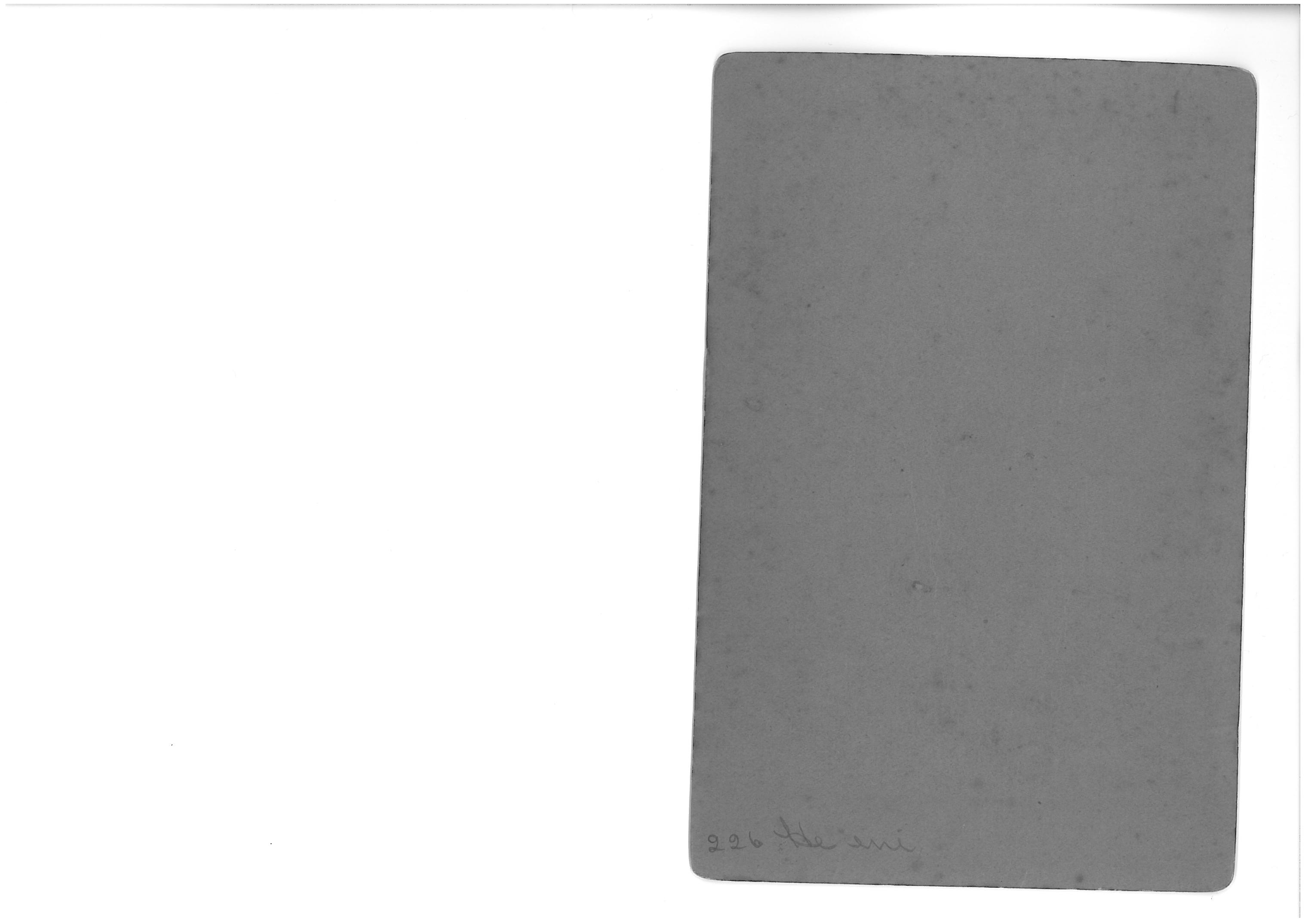
Ka tapaina a Ana ki te ingoa o Ana Rupene i te whakaahua kiritangata a Lindauer, heoi, he huhua kē ōna ingoa, ko Heeni Hirini anō tētahi. I ētahi wā, ka tuhi ngā Foy Brothers i ngā ingoa o ngā kainoho whakaahua ki muri i ngā kāri mahi me ngā kāri mihi. I puta mai tētahi kōrero hou ki ngā kairangahau i muri i tētahi o ngā kāri mihi, i te mea kei reira te ingoa o Heeni e mau ana (Āhua 11). Hei tā tētahi atu pekanga o te whānau Renata, he ingoa anō a Heeni Hirini nō te whānau, ā, koia anō te ingoa i whakamahia e Heeni i a ia e kōrero ana ki ngā kaihoko whenua me ngā kairuri.
Hei tā te whānau o Rodney Renata, ko Heeni Hirini te tamāhine a tētahi tupuna nō Pare Hauraki, ko Hirini tōna ingoa, otirā, he pānga whenua ōna ki Otoka, ki Hauraki. Kei te tautokona ēnei kōrero e tētahi kupu taunaki a Heeni Hirini ki te Kōti Whenua Māori, e mea ana ko Heeni tōna ingoa, e whakahuahua ana hoki i ngā hononga whakapapa a tōna pāpā, a Hirini, ki taua poraka whenua ki Manaia. Hei tā taua whānau, ka tapaina noa tō rātou kuia ki te ingoa o 'Ana', otirā, ko 'Rupene' te tuhinga hē o te kupu Reupene.9
Ka whakatipuria e Heeni rāua ko tōna hoa tāne, arā, ko Reupene Whetuki o Ngāti Maru me Ngāi Waihinu, tētahi tamāhine ko Poia Reupene Whetuki tōna ingoa. Ka moe a Poia i a Wiremu Renata – e mōhiotia ana ko Wiremu Renata Kitahi Te Taniwha hoki tōna ingoa – nō Ngāti Whanaunga me Ngāti Maru. Kāore e āta mōhiotia ana te take i hinga ai a Poia, heoi, he rangatahi tonu a ia i taua wā. Nā Heeni rāua ko tōna hoa tāne āna tamariki i whāngai, arā, ko Reupene rātou ko Te Kura, ko Toko,10 ko Mihinui. Ka noho rātou ki te papa kāinga o Wiremu Renata ki Parakau i Manaia. Otirā, hei māmā a Heeni ki ngā tamariki a Poia.
I te ao Māori, he taonga ngā tamariki me ngā mokopuna, ā, he mea poipoi, he mea atawhai hoki rātou e te katoa. Ka atawhaingia ngā mokopuna rā e Ana, e Heeni rānei rāua ko tōna hoa tāne. I tēnei rā, kei te mau te whānau o Rodney Renata ki te ōhākī a Heeni ki āna mokopuna, arā, kia mōhio rātou ki ō rātou whakapapa, kia pupuri tonu rātou ki ngā whenua o Ngāti Maru. Otirā, he tānga manawa anō te oranga nui me te kaha o ngā uri. Nā whai anō, kei te arohanuitia te kuia nei, ahakoa te iti o ngā kōrero mō Heeni Hirini, mō Ana Rupene, mō Ana Reupene Whetuki rānei. Nō reira, kei te hiahia te whānau o Rodney Renata kia mōhiotia te ingoa o Heeni Hirini hei ingoa mō tō rātou kuia.
Nō reira, kei te whakaemihia tonutia ngā wāhi o te panga kōrero mō te whakaahua kiritangata o Ana Rupene and Child nā Lindauer, he taonga anō hoki ngā kōrero hou e putaputa tonu mai ana. Ahakoa te nui o ngā tau mai i te tānga o tēnei whakaahua kiritangata a Lindauer, kei te pupuri tonu tātou ki ngā āhua o ēnei tūpuna, hei taonga whakaepaepa mō ngā rā kei tua. Hei reira, ka kitea, ehara i te mea he rerekē rawa te tū o te whānau o Toko Renata, ki tērā o te whānau o Rodney Renata me te whānau Foy, hāunga anō ngā mōhioranga me ngā tirohanga rerekē, te huringa rānei o ngā whakaaro i roto i ngā tau. Ko ngā whakapaparanga o te kōrero e kore e taea te karo, ka kitea he wāhi hou, ka huraina mai he kōrero hou, koia anō te āhua o te mahi panga.
Mā te kaupapa ā-ipurangi a Lindauer Online, ka rangona ngā reo o ngā uri katoa i roto i ngā kōrero rangahau me ngā whakaputanga kōrero a ngā whānau. Mā ēnei momo rangahau ā rātou kōrero e hāpai, e whakapuaki hoki. Kua whāngaihia tēnei rangahau e ngā maharatanga o ngā uri whakaheke. Kei te whakaahuahia te ao o ēnei tūpuna e ngā kōrero nei, ā, i roto i te takanga o te wā, ka piki ake anō te māramatanga ki ngā tūpuna rā hei painga mō ngā uri whakaheke.
Additional context and content
Ana’s life dates remain unknown at this time. What is known, however, is that she lived and died at Parakau, Manaia, on the Coromandel Peninsula, and is buried in an unmarked grave in the graveyard adjacent to the southwest corner of the church there. History would suggest that Ana lived through distinct and rapid changes, given the harsh realities of life for her and her iwi, hapū and whānau.
The Pare Hauraki experience of government and individuals prospecting for gold in Thames – despite protests by leading rangatira of the day – is well documented. The draining of the fertile Hauraki Plains for farming ruined large tracts of land that were the sustainable food basket of local iwi. The logging of kauri during the 1860 to 1880s contributed to the literal, cultural and spiritual stresses endured by Pare Hauraki people wanting to retain their Māori life ways and human dignity in the face of rapid change. Mortality rates for children and men were extremely high. The confiscation and sale of Māori land for Pākehā settlement is now being addressed by the Waitangi Tribunal.
Ana was named Ana Rupene in Lindauer’s portrait but is known by other names, a common one being Heeni Hirini. The Foy Brothers sometimes inscribed the names of sitters on the back of cartes de visite and cabinet cards. One such cabinet card provided new information for researchers, because the name Heeni is inscribed on its back (Fig 11). To another branch of the Renata whānau, Heeni Hirini is a family name and the one Heeni used when dealing with land agents and land surveyors.
Rodney Renata’s whānau claim Heeni Hirini as the daughter of a Pare Hauraki tupuna named Hirini, who had land interests in the Otoka block in Hauraki. This is substantiated by the family through a historic record where Heeni Hirini gave evidence in a Land Court proceeding and stated her name as Heeni, citing her father Hirini as her whakapapa connection to the block at Manaia. This branch of the whānau believe that the name ‘Ana’ was bestowed on their kuia and that ‘Rupene’ is a misspelt version of Reupene.9
Heeni and her husband Reupene Whetuki of Ngāti Maru and Ngāti Waihinu raised a daughter named Poia Reupene Whetuki. Poia married Wiremu Renata – also known as Wiremu Renata Kitahi Te Taniwha – of Ngāti Whanaunga and Ngāti Maru. It is not known how Poia died, only that she was young when she passed away. Heeni and her husband took over the raising of Poia’s children – named Reupene, Te Kura, Toko,10 and Mihinui – at the homestead of Wiremu Renata at Parakau, Manaia. Unsurprisingly, Poia’s children referred to and considered Heeni to be their mother.
In the Māori world, children and mokopuna are taonga and everyone has shared responsibility for their wellbeing and future. Ana or Heeni and her husband provided a full family life for their mokopuna. Today, the Rodney Renata branch of the family recognises that Heeni had a succession plan for her mokopuna, ensuring their lines of descent would become known and mokopuna would receive their rightful land inheritances from their Ngāti Maru whakapapa. Today, this depth of vitality and strength is a comforting and enduring legacy for her descendants. Consequently, this connection with Heeni has created a deep affection for a beloved kuia, despite there not being a lot of detailed information to develop a better understanding of Heeni Hirini, Ana Rupene or Ana Reupene Whetuki. To that end, the Rodney Renata whānau advise they want to be clear that they proudly claim the name Heeni Hirini.
Piecing together the puzzle of Lindauer’s portrait of Ana Rupene and Child is an ongoing project and learning new things is its own reward. While Lindauer’s portrait harks back to another time and place, we retain such images of ancestors in our hearts and minds as treasures for the days to come. In this way, the Toko Renata, Rodney Renata and Foy whānau share a not too dissimilar situation, even if it is from a different experience and perspective, or motivated by reasons that have changed over the years. It is almost impossible to avoid contexts within contexts, as there is always something else to rediscover and recover in order to put things back together again.
The Gottfried Lindauer website kaupapa is an opportunity for the voices of all descendants to come forward through the sharing of research and the generous exchange of whānau stories. This type of research is an opportunity to support and enable their stories. The cherished memories of uri whakaheke have been generously extended to this research kaupapa. The stories are fully realised accounts in the lives of descendants and, in time, these stories will contribute to a better understanding of beloved Māori ancestors, for the benefit of future descendants.
Briar Gordon and Peter Stupples, Gottfried Lindauer: His Life and Maori Art, Collins, Auckland, 1985, p 24.
Partridge arrived in Aotearoa New Zealand in 1867, prospecting for gold at Hokitika before making his way to Tāmaki Makaurau Auckland in 1868. He later accompanied government agent James Mackay on expeditions into the kāinga of Pare Hauraki iwi.
The Foy Brothers – Joseph Michael Foy and James Joseph Foy – operated their photographic studio on Pollen Street in Thames from 1 October 1871 to 7 October 1907. Personal communication with Angela Morrison, 16 March 2010. Morrison is the great-granddaughter of Joseph Michael Foy.
Cartes de visite were small photographs usually made of an albumen print and mounted on a thicker paper card. They were considered to be ‘visiting cards’ or, in today’s terms, business cards. The size of a carte de visite is approximately 64 × 114 mm.
Cabinet cards superseded cartes de visites. They were also usually albumen prints but larger, mounted on cardboard backing and measuring 114 × 165 mm.
Cartes de visite and cabinet cards were affordable images to collect and send overseas. They were popular among tourists, who would take them home as souvenirs of their visit to Aotearoa New Zealand.
Personal communication with Toko Renata Te Taniwha, 11 December 2009.
Reupene Whetuki is one of numerous landowners in the 1873 Māori Deeds of Land Purchases in the North Island of New Zealand: Volume One, documenting the sale of a block of land with the title Hikutaia. For more information, see the record at the New Zealand Electronic Text Collection – Te Pūhikotuhi o Aotearoa: ndhadeliver.natlib.govt.nz/webarchive/20211230175031/http://nzetc.victoria.ac.nz/tm/scholarly/tei-Tur01Nort-t1-g1-g1-g1-g11-g8-t1.html, accessed 11 May 2026.
Personal communication with Rodney Renata, February 2010.
Toko Renata Te Taniwha I.